In the ever-evolving world of fishing gear, choosing the right Rod With Thread is critical for optimal performance. Industry expert John Fisher states, “A quality Rod With Thread can make all the difference in your fishing experience.” As global buyers seek the best options for their needs, understanding the features and benefits of various rods becomes essential.
When considering a Rod With Thread, it's important to note the material and construction quality. Many rods on the market promise durability but may fall short in real-world applications. Buyers must remain vigilant about brand reliability and customer feedback. An informed choice often leads to better results on the water.
Searching for the right Rod With Thread can feel overwhelming. Specialty shops offer a range of options, yet challenges persist. Some rods might not meet the expectations set by their descriptions. Reflecting on personal experiences can help navigate this complex decision-making process. Striking the right balance between quality and affordability remains crucial for every angler.
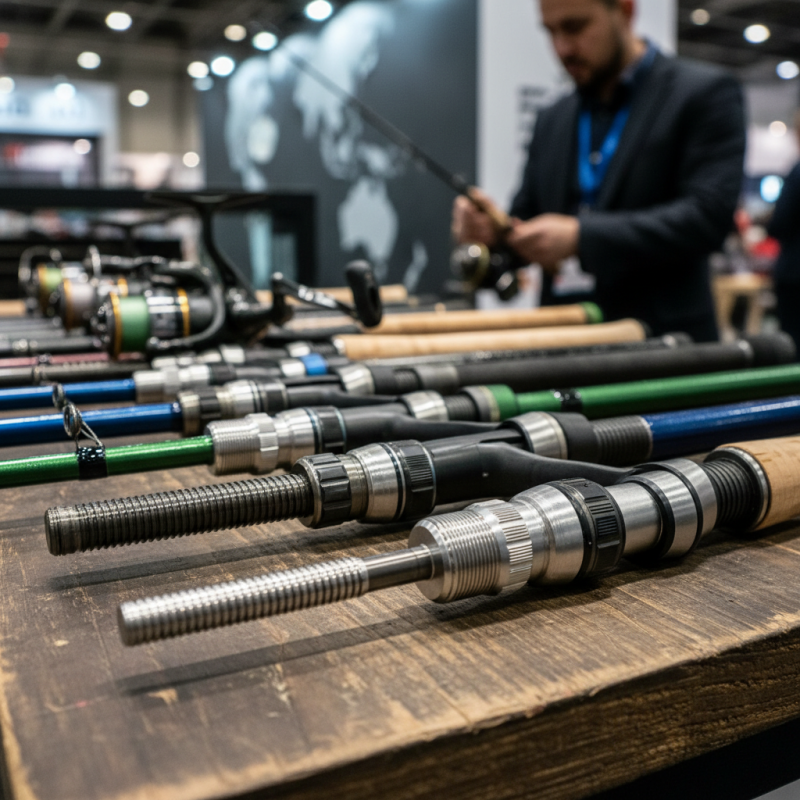
Threaded rods are essential in construction and manufacturing. They come in various types, designed for different applications. Common materials include steel, stainless steel, and plastic. Each material offers unique benefits. Steel rods provide strength, while stainless steel offers corrosion resistance. Plastic rods are lighter and useful in specific environments.
When choosing a threaded rod, consider the application. Different threads affect how rods perform under tension. Coarse threads are easier to work with, while fine threads offer better holding power. Understanding these differences is crucial for any project. Mistakes in selection can lead to structural failures or costly repairs.
Many users overlook the importance of quality. A low-quality threaded rod may seem cost-effective but can result in safety hazards. Always assess the manufacturer's specifications. It's vital to ensure that the rod meets industry standards. Regular inspections and maintenance are necessary to ensure long-term reliability. Proper use and care can significantly extend the life of threaded rods in various applications.
When selecting threaded rods, several features warrant attention. The material of the rod plays a crucial role. Steel, stainless steel, and aluminum provide different levels of strength and resistance to corrosion. It's vital to understand the application environment. For example, a coastal area may require more resilient materials than an indoor setting.
Length and diameter are other key factors. Different applications demand specific dimensions. Getting the right fit ensures durability and effectiveness. The rod's thread pitch also matters. Fine threads offer precise adjustments, while coarse threads enable faster installations. Consider how often you will need to adjust the rod.
Lastly, the quality of the manufacturing process impacts the rod's performance. Poorly made rods may warp or break, compromising safety. Always check manufacturer specifications and certifications. It's essential to weigh these considerations carefully. Rushed decisions can lead to costly mistakes in your projects.
In 2026, the market for threaded rods is expected to see significant growth. This is driven by increased demand across several industries, including construction and manufacturing. According to a recent industry report, the global threaded rod market is projected to grow by approximately 6.5% annually. This growth reflects the rising need for durable fastening solutions.
Leading manufacturers are adapting to this demand by focusing on innovation and quality. Many companies are investing in advanced production technologies. They aim to enhance product performance and reliability. Data indicates that the construction sector will continue to dominate, accounting for over 40% of the overall market share. Manufacturers are responding by developing rods that meet specific requirements, such as corrosion resistance and tensile strength.
However, challenges remain. The industry faces fluctuations in raw material prices, which can impact production costs. Additionally, environmental regulations are prompting manufacturers to reconsider their processes. Addressing these issues is crucial for maintaining competitiveness. As the market evolves, companies must prioritize sustainability and efficiency. Balancing these factors will be essential for success in this dynamic landscape.
In recent years, the production and consumption of threaded rods have evolved significantly. With the growing demand for industrial components, manufacturers are adapting to technological advancements. Automated processes are becoming standard in factories. However, ensuring quality while scaling up remains a challenge. Quality control measures are often inconsistent, leading to variability in product strength.
Global buyers increasingly seek sustainable threaded rod options. Manufacturers are exploring eco-friendly materials. This shift is not just a trend; it addresses environmental concerns. However, some companies still prioritize cost over sustainability, which complicates the market landscape. Buyers must be vigilant, evaluating both quality and environmental impact when making purchasing decisions.
Regional variations in production also influence global consumption patterns. Some regions excel in high-quality production, while others struggle with outdated methods. This disparity can lead to confusion for buyers. Understanding these differences is crucial. Effective communication between suppliers and buyers can bridge this gap. As the industry continues to grow, finding reliable partners will become essential for global buyers.
When considering the best rod options with thread for 2026, a comparative analysis of price and quality is essential. Many rods vary significantly in terms of materials, manufacturing techniques, and intended uses. The choice often boils down to striking a balance between cost and performance. Some budget options may offer basic functionality, but they often lack the durability of higher-end models.
Quality rods typically use advanced materials, enhancing their strength and lifespan. However, these rods often come with a premium price tag. Assessing customer reviews can provide insights into reliability and performance but may sometimes lead to misleading conclusions. Some users praise high-priced rods while others might find them lacking. This disparity shows the need for thorough evaluation.
Different users may prioritize specific features, such as weight, flexibility, and ease of handling. While one option may seem superior in one area, it might falter in another. Understanding individual needs is crucial. It’s important to reflect on personal experience and preferences when selecting a rod. This way, buyers can make informed decisions, leading to a satisfactory investment in their gear.
: Steel, stainless steel, and aluminum are common choices. Each offers different strengths and corrosion resistance.
Coastal areas demand more resilient materials. Indoor settings may allow for different options.
Specific dimensions are necessary for different applications. A proper fit ensures durability and effectiveness.
Thread pitch affects adjustments. Fine threads allow precise adjustments, while coarse threads enable quicker installations.
Poor manufacturing can lead to warping or breaking. Always check specifications to ensure safety.
Increased demand in construction and manufacturing drives market growth. Projections estimate about 6.5% annual growth.
Fluctuations in raw material prices impact costs. Environmental regulations also require careful process considerations.
Many invest in innovation and quality. They focus on advanced technologies for better performance.
Prioritize sustainability and efficiency. Rushed decisions may lead to costly mistakes in the long run.
The sector will likely account for over 40% of the market share. It's a crucial area for manufacturers.
The article "2026 Best Rod With Thread Options for Global Buyers" provides a comprehensive overview of threaded rods, detailing their various types and applications. It emphasizes key features to consider when selecting a rod with thread, such as material strength, length, and corrosion resistance, which are crucial for ensuring optimal performance in diverse industries.
Additionally, the article explores the leading manufacturers of threaded rods in 2026, highlighting the global trends influencing rod production and consumption. A comparative analysis of price and quality across different rod options offers valuable insights for buyers aiming to make informed decisions. Overall, these aspects help equip global buyers with the necessary knowledge to choose the best rod with thread to meet their specific needs.

Dongshuo Fastener