Choosing the right threaded rod is crucial for global suppliers. These components are essential in construction, manufacturing, and various industries. Different materials and specifications influence how effective a threaded rod can be in any application.
When examining options, it's important to consider strength and corrosion resistance. Common materials include stainless steel, carbon steel, and nylon. Each has distinct applications, but it can be challenging to determine which is suitable for specific needs. Suppliers should reflect on factors such as load capacity and environmental conditions.
Additionally, suppliers must consider global standards and regulations that govern threaded rod production. This can create complications when sourcing materials internationally. Some manufacturers inspire confidence through certifications and proven reliability. Thus, understanding the market landscape is essential. Ultimately, finding the best threaded rod option requires careful evaluation of experience, knowledge, and industry practices.
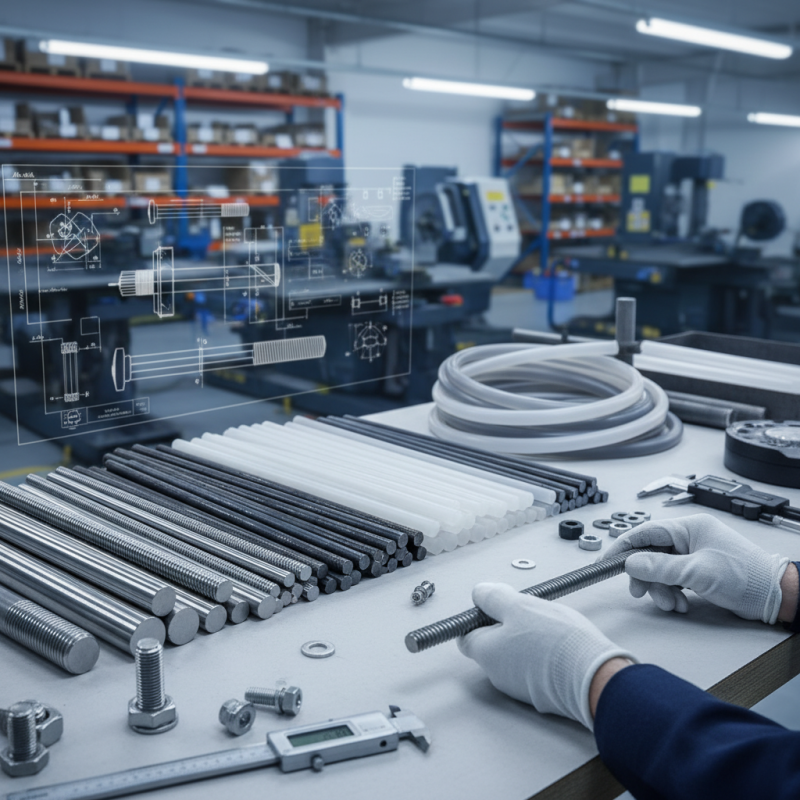
Best Types of Threaded Rods for Global Market Demand
When considering the best types of threaded rods for global market demand, it's crucial to recognize industry standards and material choices. Stainless steel rods dominate due to their corrosion resistance and strength. According to market research by Grand View Research, the global threaded rod market is projected to reach USD 3 billion by 2027, reflecting a growing interest in durable materials.
Carbon steel rods remain essential, especially in construction and manufacturing sectors. They are cost-effective and widely available. The demand for these rods is often driven by regions experiencing rapid industrial growth. In fact, around 70% of threaded rods sold are used in construction and heavy machinery. However, choosing the right threaded rod requires careful considerations of mechanical properties and environmental suitability.
There are emerging concerns about sustainability. The sourcing of raw materials impacts environmental footprints. Many suppliers now face challenges in adhering to eco-friendly practices. Consumers increasingly prefer products that reflect sustainable manufacturing processes. Addressing these issues can enhance supplier credibility in the global market. Without a focus on innovation and responsibility, suppliers risk falling behind in a competitive landscape.
Key Materials Used in Manufacturing Threaded Rods
Threaded rods are essential components in various industries, from construction to manufacturing. The materials chosen for these rods significantly impact their performance and durability. Carbon steel, for instance, is commonly used due to its strength and versatility. According to the American Institute of Steel Construction, carbon steel rods can withstand high tensile stress, making them ideal for heavy-duty applications.
Stainless steel is another popular choice, favored for its corrosion resistance. A recent report from the Steel Market Development Institute noted that the demand for stainless steel threaded rods has increased by 25% in the past five years. This rise can be attributed to their use in environments where moisture and chemicals are present. However, stainless steel can be more expensive, which requires careful consideration by global suppliers.
Another option is nylon-coated rods, which provide additional protection against environmental factors. These rods are particularly noticeable in applications that require non-conductive materials. The trade-off here involves the coating's durability, which may wear over time. Suppliers should weigh these various materials carefully, considering both the performance requirements and the economic implications for their clientele.
Comparative Analysis of Threaded Rod Suppliers Worldwide
When comparing global suppliers of threaded rods, it's crucial to consider factors such as material quality, production standards, and pricing. Many regions specialize in manufacturing different types of threaded rods. For instance, some suppliers may focus on stainless steel options, while others may excel in carbon steel variants. Understanding these distinctions can help businesses make informed choices.
Tips: Always verify the quality certifications of suppliers. Look for ISO standards that ensure consistency in production.
Additionally, evaluating supplier reliability is vital. Factors like lead times and communication efficiency can significantly impact your supply chain. It's wise to request samples before making large orders. This can highlight any shortcomings in quality that may not be evident from specifications alone.
Tips: Create a checklist to assess each supplier's strengths and weaknesses. This will clarify decision-making.
The global market offers a plethora of options, yet not every supplier meets the same standards. Some may promise rapid delivery but lack quality control. Balance cost against value to find the best partner. Remember, a good supplier should enhance your operations, not complicate them.
Quality Standards and Certifications for Threaded Rods
In the competitive landscape of threaded rods, adherence to quality standards and certifications is crucial. Industry reports show that over 70% of global suppliers consider certifications as key factors in procurement decisions. ISO 9001, which emphasizes quality management systems, remains a benchmark for many manufacturers. Additionally, understanding ASTM standards can ensure that the rods meet mechanical and chemical properties required for various applications.
Tips: Always verify the certification status of your suppliers. This can save time and resources in the long run.
For threaded rods, different applications have varying requirements. For example, rods used in construction must comply with specific tensile strength and fatigue resistance codes. Some reports suggest that non-compliance can lead to structural failures, highlighting the importance of rigorous testing. Evidence shows that products meeting ASTM or ISO standards have a significantly lower failure rate, affirming their reliability.
Tips: Regularly assess the quality control practices of your suppliers. This can prevent unexpected failures in critical applications.
Exploring regional standards can also be beneficial. While international standards are essential, local regulations may impose additional requirements. Ignoring these can lead to costly penalties or project delays. Engaging with reliable suppliers who understand both international and local standards is vital for maintaining quality and reliability.
What Are the Best Threaded Rod Options for Global Suppliers? - Quality Standards and Certifications for Threaded Rods
| Material |
Length (mm) |
Diameter (mm) |
Thread Count (per inch) |
Certification Standard |
| Carbon Steel |
1000 |
10 |
20 |
ISO 9001 |
| Stainless Steel |
1500 |
12 |
16 |
ASTM A193 |
| Alloy Steel |
800 |
16 |
18 |
DIN 975 |
| Brass |
600 |
8 |
24 |
RoHS Compliant |
Trends and Innovations in Threaded Rod Production and Supply
In recent years, the global threaded rod market has witnessed significant innovations. New production techniques are enhancing supply efficiency. According to a 2023 industry report, over 40% of manufacturers are investing in automated systems. These systems reduce labor costs and improve precision in threaded rod manufacturing.
Sustainability is another growing focus. Many suppliers are adapting to meet environmental standards by using recycled materials. A recent study identified that companies using eco-friendly methods saw a 20% increase in customer satisfaction. However, challenges remain. The transition to more sustainable practices can be costly. Smaller suppliers often struggle to meet these demands.
Trends indicate that market players are collaborating to address these issues. Sharing best practices can help smaller suppliers keep up with larger companies. Continuous improvement in production methods is necessary. The future looks promising, but adaptability will be key for all players in the threaded rod market.
Conclusion
The article "What Are the Best Threaded Rod Options for Global Suppliers?" provides an insightful overview of the various types of threaded rods that meet the demands of the global market. It explores the key materials used in manufacturing these rods, emphasizing the importance of durability and performance. A comparative analysis of threaded rod suppliers worldwide highlights the diversity in offerings, allowing suppliers to identify the best options based on quality and cost-effectiveness.
Additionally, the article examines quality standards and certifications essential for ensuring that threaded rods meet industry requirements. It also discusses current trends and innovations in threaded rod production and supply, pointing to advancements that enhance efficiency and sustainability in manufacturing processes. This comprehensive approach assists global suppliers in making informed decisions regarding threaded rod procurement and utilization in various applications.

 Dongshuo Fastener