How to Choose the Right Anchor Bolt at the 139th Canton Fair?

Time:2026-03-25 Author:Mason
0%

Choosing the right Anchor Bolt is crucial for any construction project. At the 139th Canton Fair, this task becomes even more significant with the focus on advanced manufacturing and building materials. Different types of anchor bolts cater to various applications. For instance, a heavy-duty anchor bolt is essential in high-load situations.

As you explore the exhibit halls, understanding the specifications of each option is vital. Look for suppliers that meet specific certifications. The introduction of AI technology at the fair enables quick filtering of vendors. It's a game changer for efficiency.

However, don't solely rely on technology. Personal evaluations are important. Manufacturers may advertise superior products, but real-world performance can differ. Ask questions and seek feedback from other users. This approach leads to an informed choice in your selection of anchor bolts.
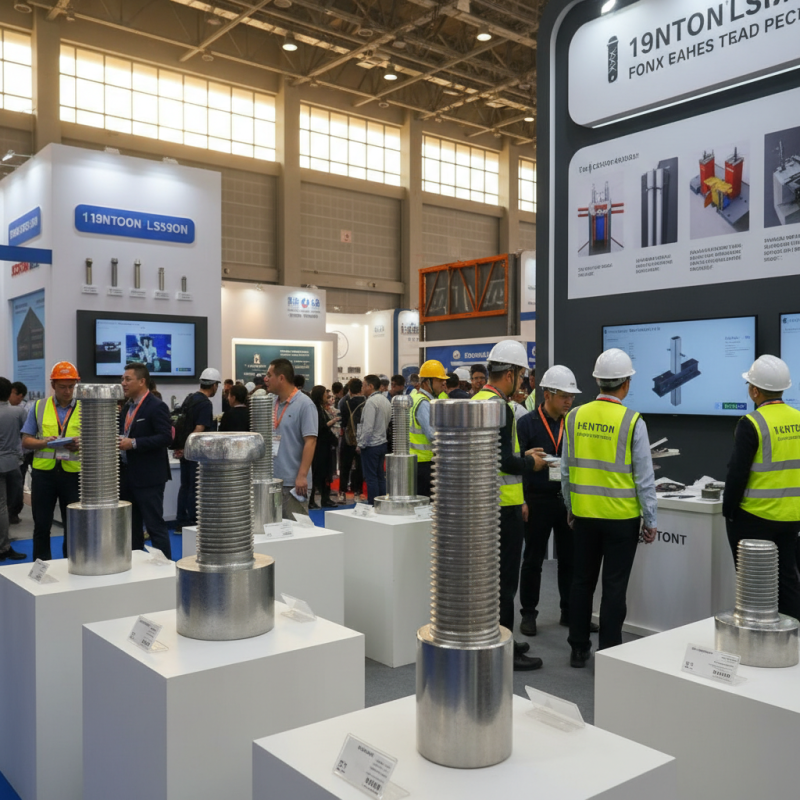
How to Choose the Right Anchor Bolt at the 139th Canton Fair?

Understanding Anchor Bolt Types Available at the Canton Fair

Choosing the right anchor bolt is vital for any construction project. At the 139th Canton Fair, there are various types to consider. Each type serves a different function. Ensure you understand the specifics.

Expansion bolts are common. They expand when inserted into a hole, providing a strong grip. They work well in concrete or brick. However, ensure the hole is drilled correctly or they may fail.

Sleeve anchors offer another option. They consist of a screw and a sleeve. When tightened, the sleeve expands against the base material. They are effective but require careful installation. Misalignment can lead to weak support. It's essential to review your project’s needs before selecting. Attending the fair offers a chance to see these bolts firsthand.

Factors to Consider When Selecting Anchor Bolts for Your Project

When attending the 139th Canton Fair, selecting the right anchor bolt for your project is crucial. There are several factors to consider. The type of material is one of the most significant aspects. Different materials provide varying strengths and corrosion resistance. For example, stainless steel bolts resist rust, but they might not be suitable for high-load applications.

Another essential factor is the bolt's diameter and length. You’ll want to ensure these dimensions meet your specific project needs. If the bolts are too short, they won't anchor properly. If they're too long, they may cause installation issues. It’s also important to think about load capacity. Bolts must support the weight and stress of the structure.

Don’t overlook installation methods. Different bolts may require various tools and techniques. Misjudging this could lead to poor installation. Finally, keep in mind environmental conditions. Humidity, temperature, and exposure to chemicals can affect anchor performance. Think carefully. Each detail plays a role in the overall success of your project.

Evaluating Material Strength and Durability of Anchor Bolts

When it comes to choosing anchor bolts, evaluating material strength and durability is crucial. Industry reports show that carbon steel and stainless steel are among the most commonly used materials for anchor bolts. Carbon steel offers good tensile strength, typically around 400-800 MPa. However, it is susceptible to corrosion if not properly coated.

Stainless steel, on the other hand, exhibits higher corrosion resistance. Its tensile strength ranges from 500 to 1500 MPa. Yet, stainless steel can be more expensive than carbon steel. Some manufacturers also use alloyed steels to enhance durability. It's essential to weigh these options carefully.

Inspecting the coatings is another vital aspect. Hot-dip galvanizing can significantly improve corrosion resistance. A study indicated that properly coated carbon steel can last over 20 years in harsh environments. However, not all coatings are equal. Cheap coatings may fail quickly, raising concerns for long-term projects.

Understanding the load requirements is equally important. Bolts must withstand both static and dynamic loads. Misjudging this can lead to structural failures. Reports suggest that nearly 30% of anchor bolt failures are due to incorrect load ratings. Selecting the right bolt is as much about understanding materials as it is about the specific application.

Identifying the Right Size and Length for Anchor Bolts

Choosing the right size and length for anchor bolts can be a daunting task. At the 139th Canton Fair, you’ll see a range of options, but not all will fit your project. It's crucial to understand your specific requirements before making a decision.

Measurements matter. The diameter of the bolt affects strength and load distribution. Standard sizes are often available, but custom sizes may be needed. For length, consider the thickness of the materials being fastened. Too short, and it won’t grip properly. Too long, and it may not fit.

**Tips:**
Always carry a measuring tool. Take stock of the materials you're working with. Another good idea is to consult with a professional if you're unsure about specifications. Sometimes, what looks good doesn't perform well. Watch for dimensions that could lead to underperformance.

Don't forget to check local regulations regarding safety and installation methods. Missteps in choosing size can lead to structural failures. Reflect on the needs of your project, and don’t rush through decisions. It's about quality, not quantity.

Anchor Bolt Size and Length Choices at the 139th Canton Fair

The chart above illustrates the various sizes of anchor bolts available at the 139th Canton Fair, along with their corresponding lengths in millimeters. This information can assist you in selecting the appropriate anchor bolt for your needs.

Tips for Comparing Prices and Quality at the Canton Fair

When attending the 139th Canton Fair, comparing prices and quality of anchor bolts requires careful consideration. The market is vast, with countless suppliers showcasing their products. A recent industry report indicated that the average price range for anchor bolts varies by up to 20% among different manufacturers. This discrepancy is crucial for buyers looking to maximize value.

Quality is just as important as price. Reports show that 30% of anchor bolts fail due to subpar materials or manufacturing processes. Buyers should inspect samples closely. Look for ISO certifications, which indicate adherence to international standards. Analyzing the material composition can also unveil potential quality issues. Inconsistent threading or surface finish can signal lower durability.

Communication with suppliers is key. Ask for detailed product information and warranty terms. Some suppliers might provide vague answers, making it difficult to gauge reliability. Building relationships during the Fair can help in assessing credibility. Not all suppliers are created equal. Be prepared to walk away if something feels off. Trust your instincts—it’s essential for a successful purchase.

FAQS

: What materials are commonly used for anchor bolts?

: Carbon steel and stainless steel are widely used.

What is the tensile strength of carbon steel anchor bolts?

It typically ranges from 400 to 800 MPa.

How does stainless steel differ from carbon steel for anchor bolts?

Stainless steel offers better corrosion resistance and has a tensile strength of 500 to 1500 MPa.

Why is inspecting coatings important for anchor bolts?

Coatings improve corrosion resistance but vary in quality. Cheap coatings might fail quickly.

What percentage of anchor bolt failures are due to incorrect load ratings?

Reports suggest nearly 30% of failures are linked to this issue.

How can I determine the right size for anchor bolts?

Measure the thickness of the materials being fastened to avoid fitting issues.

What should I consider when comparing prices at the Canton Fair?

Prices can vary by up to 20% among suppliers, so examine quality closely.

What indicators reveal potential quality issues in anchor bolts?

Look for inconsistent threading and surface finish, which suggest lower durability.

How should I communicate with suppliers at the Fair?

Request detailed product information and warranty terms for better assessment of reliability.

What might I do if something feels off during my purchase?

Trust your instincts; be prepared to walk away if the supplier raises concerns.

Conclusion

When attending the 139th Canton Fair, selecting the right anchor bolt is crucial for the success and safety of your projects. The fair offers a variety of anchor bolt types, each suitable for different applications. Understanding these types will help you make an informed decision. Key factors to consider include the material strength and durability of the bolts, as well as their appropriate size and length to ensure they meet project specifications.

Furthermore, when comparing products at the fair, it's essential to evaluate both price and quality. This article will guide you through the process of identifying the best anchor bolts for your needs, ensuring that you choose options that deliver both reliability and value. By taking these considerations into account, you'll be well-prepared to make a confident purchase at the fair.


Mason

Mason

Mason is a seasoned marketing professional with a deep expertise in the company's offerings and a passion for driving brand awareness. With a strong background in digital marketing strategies, he has an innate ability to connect with diverse audiences and effectively communicate product benefits.......