Selecting the right Concrete Anchor can make or break your project. As noted by industry expert John Smith, "Choosing the correct anchor is crucial for ensuring structural integrity." The variety of options available can be overwhelming. Each Concrete Anchor serves a specific purpose and is designed for different materials and loads.
Many factors influence your choice. Materials, load types, and environmental conditions all play significant roles. For instance, does your project involve concrete, brick, or masonry? Each material requires a unique approach. Without careful consideration, you may face unexpected failures or costly repairs later.
Users often overlook the details during selection. It's easy to underestimate the load requirements or the installation process. However, miscalculating these factors can lead to serious issues. Ensuring you've chosen the best Concrete Anchor reflects not just technical knowledge, but an understanding of the specific demands of your project. Taking the time to thoughtfully evaluate your options will prove invaluable in the long run.
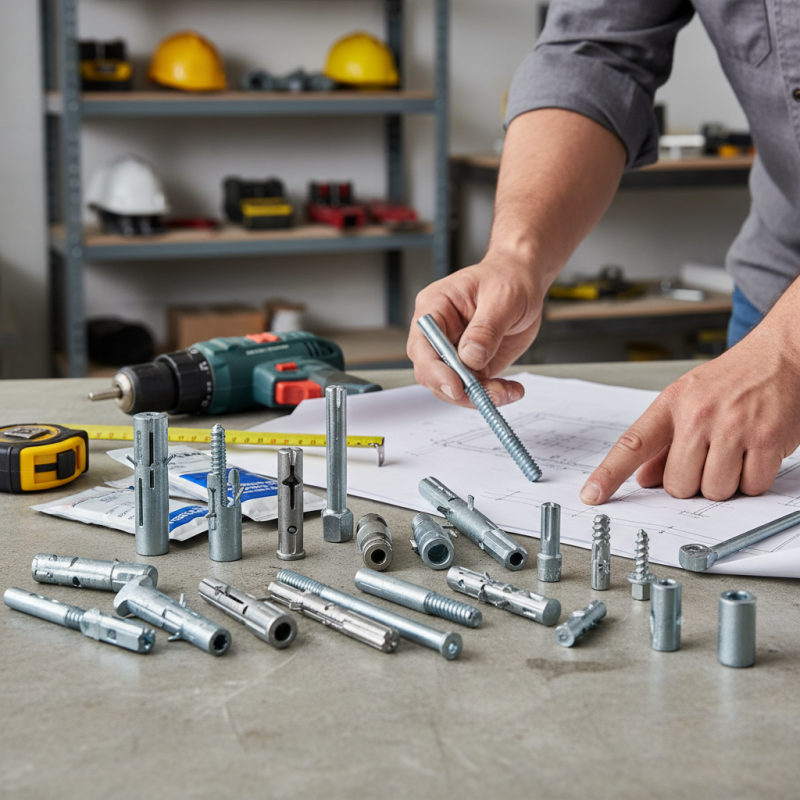
When selecting the right concrete anchor, it's crucial to understand the various types available. Concrete anchors fall into categories such as expansion anchors, adhesive anchors, and screw anchors. Expansion anchors, like wedge anchors, work well in solid concrete. As the screw is tightened, the anchor expands. This creates a strong hold.
Adhesive anchors are different. They use a bonding agent that adheres to the concrete. These are ideal for overhead applications and heavy loads. However, improper installation can lead to failure. Screw anchors, on the other hand, offer simplicity. They can be installed easily without special tools. Yet, they are not suitable for all concrete types.
Ensure you evaluate the project's requirements carefully. Load capacity, anchor depth, and installation environment all matter. Mistakes can be costly. Each anchor type has specific conditions for optimal performance. Consider factors like moisture exposure and temperature changes. Choosing the right anchor might seem straightforward, but it requires thoughtful reflection and knowledge. Aim for both reliability and safety in your decision-making process.
When selecting the right concrete anchor, understanding load requirements is key. Evaluate the weight of the materials you are securing. Consider static loads, which remain constant, and dynamic loads, which change over time. The type of load will influence your choice of anchor.
Next, determine the tensile and shear strength needed. This means understanding how forces will act on your anchor. For instance, if an object will hang, you'll need a different anchor than for a horizontal load. It’s vital to consult load charts for accurate guidance.
Don't forget environmental factors. Extreme temperatures or moisture can affect anchor performance. Some materials may corrode faster than others. This reality often requires reevaluation of anchor types. A common mistake is to underestimate these factors. Always double-check your calculations and assumptions.
When selecting concrete anchors, environmental conditions play a crucial role. Consider factors like moisture, temperature, and exposure to chemicals. Each condition influences the performance and longevity of the anchor. A wet environment may lead to corrosion. In such cases, using stainless steel or galvanized anchors is essential for durability.
Tips: Always inspect the site. Look for signs of moisture or chemical exposure. If the project is near water, choose anchors with higher resistance to corrosion. Review historical weather patterns too. Understanding extremes can guide your material choices.
Temperature fluctuations impact concrete integrity. Extreme heat or cold can cause cracks. Test the concrete before anchor installation. This ensures it can withstand stress without compromising the anchor's effectiveness. Missed assessments can lead to failures down the line.
Tips: Conduct regular assessments. Weather can change. Be prepared for potential shifts in conditions. Keep a close eye on anchor placements. Adjust if necessary to enhance safety and reliability.
When selecting a concrete anchor, installation techniques play a crucial role. Proper installation ensures the anchor's strength and longevity. Start by drilling a hole that matches the anchor’s specifications. The hole size varies, but it should be clean and free of debris. Use a vacuum to remove dust. This simple step can prevent weak bonds.
Misalignment during installation can lead to failure. It’s important to hold the anchor steady while driving it into the concrete. Some anchors may require special tools for optimal installation. Ensure you understand the requirements for the anchor type you choose. Another factor to consider is the concrete's condition. Cracked or crumbling surfaces present unique challenges. Testing the material before installation may save time and effort.
Keep in mind that not every anchor is suitable for every project. A heavy-duty anchor may be overkill for lighter fixtures, while a lighter one may not hold up under stress. Think about the projected load and environmental factors. If unsure, consulting with professionals can provide valuable insights. In the end, meticulous attention to installation details is essential for a successful outcome.
| Anchor Type | Load Capacity (lbs) | Best Use Case | Installation Method |
|---|---|---|---|
| Expansion Anchor | 300-1,000 | General Purpose | Drill hole and insert |
| Sleeve Anchor | 500-2,500 | Heavy Loads | Drill hole and set |
| Adhesive Anchor | 1,000-5,000 | High Performance | Drill, clean, and inject |
| Drop-in Anchor | 300-1,200 | Ceiling Applications | Drill hole and drop in |
| Threaded Rod Anchor | 1,000-3,000 | Structural Support | Drill and screw |
Concrete anchors are vital for securing structures. However, regular maintenance and inspection are essential to ensure their reliability. According to the International Concrete Repair Institute, nearly 50% of anchor failures are due to insufficient maintenance. Regularly checking for corrosion and concrete cracking can prevent unexpected failures.
Visual inspections are crucial. Look for signs of wear, rust, or damage. If you notice any issues, addressing them immediately can save time and costs. Regular checks can also reveal if the anchors are as secure as they should be. The American Concrete Institute recommends inspecting anchors at least once a year.
Tip: Clean concrete anchors regularly to remove debris. This simple step can greatly enhance the anchor’s lifespan. Additionally, use a torque wrench to verify that fasteners are secure. Ensuring proper tension is vital for maintaining strength. Avoid overlooking small signs of trouble; they can lead to bigger problems if ignored.
This bar chart illustrates the load capacity for different types of concrete anchors typically used in construction projects. It's essential to choose the right anchor based on the specific requirements of your project.
: Environmental conditions like moisture and temperature affect anchor performance and longevity. Proper consideration ensures durability.
Wet conditions can lead to corrosion. Stainless steel or galvanized anchors are recommended for enhanced durability.
Extreme temperatures can cause cracks in concrete. Testing the concrete before installation is essential for effectiveness.
Regular inspections are crucial. The American Concrete Institute recommends checking anchors at least once a year.
Look for wear, rust, or damage. Early detection can prevent costly failures later on.
Regularly clean anchors to remove debris. This simple maintenance step can greatly enhance their longevity.
Almost half of anchor failures can be traced to insufficient maintenance. It’s essential to check for corrosion and cracks.
Proper tension is vital for strength. Use a torque wrench to ensure fasteners are secure and effective.
Address any signs of trouble immediately. Ignoring small issues can lead to bigger problems in the future.
Conduct regular assessments and adjust anchor placements as necessary. Stay informed about historical weather patterns.
When selecting the right concrete anchor for your project, it's essential to understand the various types available, each suited for different applications. Evaluating load requirements is crucial, as anchors must be able to support the weight and stress they will encounter. Additionally, considering environmental conditions—such as moisture and temperature—will help to determine the most durable option for your specific setting.
Proper installation techniques are vital to ensure the effectiveness and longevity of concrete anchors. Following best practices for installation can significantly impact performance. Furthermore, regular maintenance and inspection of the anchors are necessary to identify any wear or potential failures, ensuring the safety and reliability of your project in the long term. By considering these factors, you can confidently choose the right concrete anchor to meet your needs.

Dongshuo Fastener