5 Essential Tips for Choosing Lock Washers Effectively?

Time:2026-05-31 Author:Madeline
0%

Choosing the right lock washers is crucial for ensuring reliable performance in various applications. Lock washers play a vital role in preventing loosening caused by vibration or torque. Despite their small size, these components significantly impact the durability of mechanical assemblies.

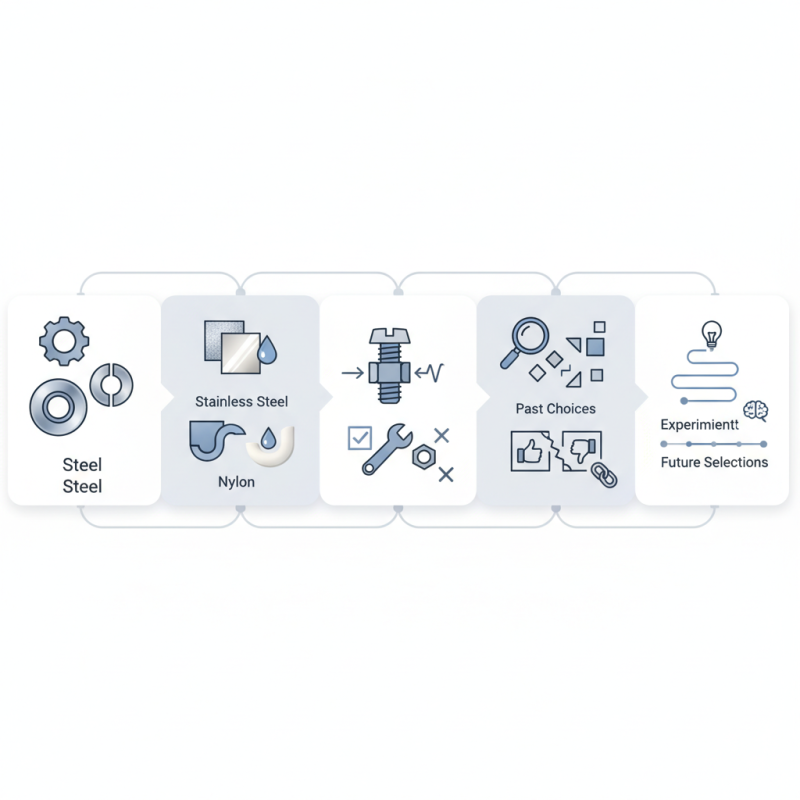
When selecting lock washers, consider their material and shape. Different materials offer various levels of corrosion resistance and strength. For example, steel washers can provide durability in many applications. However, when dealing with moisture, stainless steel or nylon options may be more suitable. The washer's shape also matters. Split lock washers and flat lock washers serve distinct purposes, influencing their effectiveness.

It's easy to overlook details when choosing lock washers. Many may not recognize the specific requirements for different projects. Without careful thought, choosing an improper lock washer can lead to failures. Experimentation and experience are essential in making informed decisions. Striving for the perfect fit might take time, and that’s okay. Reflecting on past choices can lead to better outcomes in future selections.
5 Essential Tips for Choosing Lock Washers Effectively?

Key Functions of Lock Washers in Mechanical Assembly

Lock washers play a vital role in mechanical assemblies by maintaining joint integrity under dynamic loads. They can prevent nuts and bolts from loosening due to vibrations, a critical concern in various applications. In aerospace, for example, failure rates can be as high as 30% due to improper fastening. Understanding the key functions of lock washers can drastically reduce these risks.

Lock washers create a mechanical locking mechanism that resists rotational loosening. The internal friction generated by the washer’s design helps to secure the fastener in place. This feature is especially important in automotive manufacturing, where a single loose bolt can lead to catastrophic failures. Research indicates that using the right lock washer can enhance grip strength by 50%, emphasizing their significance in ensuring safety and reliability.

In practice, selecting the appropriate lock washer involves considering material types, load conditions, and the assembly environment. While many engineers have relied on traditional options, innovative designs are emerging. Improper usage or selection can lead to performance issues. A 2022 report highlighted that 18% of mechanical faults were linked to inadequate fastening techniques. This statistic underscores the necessity of careful consideration when integrating lock washers into mechanical assemblies.

Understanding Different Types of Lock Washers and Their Applications

Lock washers play a crucial role in securing fasteners against loosening from vibrations and torque. Understanding different types is essential for effective application. For instance, split lock washers are commonly used due to their simple design and ability to create a locking effect through tension. They are favored in automotive and machinery industries, where vibrations are prevalent. According to a study by the Fastener Industry Coalition, nearly 30% of fastener failures are attributed to loosening, underscoring the importance of proper washer selection.


Another popular type is the toothed lock washer, which features sharp edges that dig into surfaces, providing strong resistance to rotation. This design makes it ideal for metal-to-metal applications, often seen in construction. A recent survey indicated that nearly 20% of mechanical failures in heavy equipment can be traced back to inadequate fastening solutions. This statistic emphasizes the need for reliable locking mechanisms.


It is important to consider material compatibility, as washers made from various metals can react differently under specific conditions. While steel washers are robust, they may corrode in damp environments. This limitation highlights the need for careful selection based on operational circumstances. Users must weigh the benefits and drawbacks of each washer type. Each application presents unique challenges, indicating the complexity of fastener and washer selection.

Material Selection for Lock Washers: Impact on Performance and Longevity

When selecting lock washers, the material choice plays a critical role in ensuring the washer's performance and longevity. Various materials offer different levels of corrosion resistance, strength, and elasticity. According to a report from the Fastener Quality Act, steel washers may provide adequate support but can succumb to rust if exposed to moisture without proper coatings. Stainless steel, known for its exceptional resistance to corrosion, is often preferred in outdoor applications.

One important tip is to consider the application environment. For example, if the washer will face extreme weather conditions, opting for nylon or plastic materials may enhance durability. These materials have shown to perform well in corrosive environments, as noted by the International Fasteners Association. Alternatively, brass lock washers might be suitable for electrical applications due to their conductivity and non-magnetic properties.

Selecting the right material also involves understanding the mechanical properties required. Hardness and tensile strength are key factors to consider. A high-quality washer made of hardened steel can resist deformation under significant loads. However, some applications may benefit from softer materials. Reflect on the requirements of your specific project before making a decision. Always seek materials that meet the standards set by recognized organizations to ensure reliability and performance.

Analyzing Load Capacity and Stress Distribution in Lock Washer Design

Lock washers play a crucial role in machinery by preventing loosening under load. Understanding load capacity and stress distribution during lock washer design is essential for successful implementation in applications. Proper analysis ensures that components hold up against vibrations and other mechanical stress.

When selecting lock washers, consider the load capacity of the washer. For instance, industry standards suggest that a well-designed lock washer can handle loads up to 50% more than its non-locking counterpart. This data underscores the importance of matching the washer with the intended load to avoid failures.

Stress distribution is another critical aspect. A lock washer should distribute stress evenly across surfaces. Uneven stress leads to premature failures and defeats the purpose of the washer. Using simulation software can help visualize stress points.

Choose lock washers based on your application’s specific needs. Always account for materials, thickness, and environmental conditions. Making informed choices will enhance reliability and performance.

Load Capacity vs. Stress Distribution in Lock Washers

Best Practices for Installation and Maintenance of Lock Washers

When it comes to installing lock washers, proper techniques are crucial. According to the Fastener Quality Act, nearly 20% of mechanical failures in construction projects are linked to improper fastening methods. Ensuring that your lock washers are positioned correctly can mitigate these risks significantly. Begin by selecting the right type of lock washer for your application. Various designs, such as split, tooth, and wave washers, all serve specific purposes depending on the type of load or vibration involved.

Proper installation also involves using the correct torque specifications. The American Institute of Steel Construction reports that improper torque can lead to a 30% reduction in joint strength. Using a torque wrench can help ensure that your lock washers are neither over-tightened nor under-tightened. A common mistake is ignoring the importance of alignment; misalignment can lead to uneven wear and premature failure of the washer and the fastened components.

Maintenance plays a vital role in the longevity of lock washers. Regular inspections can identify signs of rust, wear, or deformation. The National Fasteners Association recommends a quarterly check in industrial settings. Remember, even the best materials can fail without proper attention. Emphasizing careful monitoring and timely replacement of damaged washers can save considerable costs down the line.

5 Essential Tips for Choosing Lock Washers Effectively

Tip No. Tip Description Best Practices for Installation Maintenance Advice
1 Determine the correct size Always measure the bolt or screw diameter before selecting a lock washer. Regularly check for signs of wear or damage.
2 Choose the right material Consider the environment, such as corrosion resistance in wet conditions. Clean lock washers to remove any debris that may affect performance.
3 Select the appropriate type Know the difference between split, tooth, and wave lock washers for various applications. Inspect for deformation or bending after installation.
4 Use a proper torque setting Adhere to manufacturer specifications to ensure proper application. Re-torque periodically to maintain secure fittings.
5 Consider load and vibrations Evaluate the operational conditions the fastener will endure. Replace lock washers that show signs of fatigue or failure.

FAQS

: What are lock washers used for in mechanical assemblies?

: Lock washers maintain joint integrity and prevent loosening of fasteners due to vibrations.

Why is it important to use lock washers in aerospace applications?

Failures can reach 30% due to improper fastening, making lock washers essential for safety.

How do lock washers create a mechanical locking mechanism?

Internal friction from the washer’s design helps secure the fastener in place, resisting rotation.

What can happen if the wrong lock washer is used?

Improper selection can lead to performance issues and increased risk of mechanical faults.

How much can the right lock washer enhance grip strength?

Research shows it can enhance grip strength by up to 50%, ensuring safety and reliability.

What is critical when selecting a lock washer?

Consider material types, load conditions, and the assembly environment for optimal performance.

How does stress distribution affect the performance of lock washers?

Uneven stress can lead to premature failures, defeating the purpose of the washer.

What role does load capacity play in lock washer design?

A well-designed lock washer can handle 50% more load than non-locking types.

What tools can help analyze stress distribution in lock washers?

Simulation software can visualize stress points and improve design decisions.

Why is it important to consider environmental conditions for lock washers?

Environmental factors can affect material performance, impacting overall assembly reliability.

Conclusion

Lock washers play a crucial role in mechanical assembly by preventing loosening of fasteners due to vibrations and dynamic loads. Understanding the different types of lock washers, such as external and internal tooth lock washers, is essential for selecting the right one for specific applications. The choice of materials for lock washers significantly affects their performance and longevity, making it imperative to consider factors like corrosion resistance and fatigue strength during selection.

Moreover, analyzing load capacity and stress distribution is vital in lock washer design to ensure they can withstand operational demands without failure. Lastly, adhering to best practices for installation and maintenance is necessary to achieve optimal performance and extend the lifespan of lock washers. By following these essential tips, users can effectively choose the right lock washers for their mechanical assemblies, ensuring stability and reliability in their applications.


Madeline

Madeline

Madeline is a dedicated marketing professional with a wealth of expertise in our company's core offerings. With a keen understanding of the industry, she brings a unique perspective to her role, consistently delivering high-quality content that highlights the superior aspects of our products. As......