In the world of fastening, Nut and Lock Nut play crucial roles in maintaining secure connections. According to industry reports, nearly 20% of machinery failures stem from inadequate fastening techniques. This statistic highlights the importance of proper selection and application of these components.
Many engineers overlook the significance of choosing the right Nut and Lock Nut combination. For instance, a standard nut may suffice in low-stress situations, yet high-vibration environments demand lock nuts. The right fit can prevent loosening, which leads to costly downtimes and repairs.
Understanding torque specifications is vital. Over-tightening can damage components, while under-tightening compromises safety. Reports show that improper tightening contributes to 40% of failures in mechanical assemblies. This emphasizes the need for continual reassessment of fastening practices and the inherent risks involved. Engaging with updated training can be a pathway to improvement.
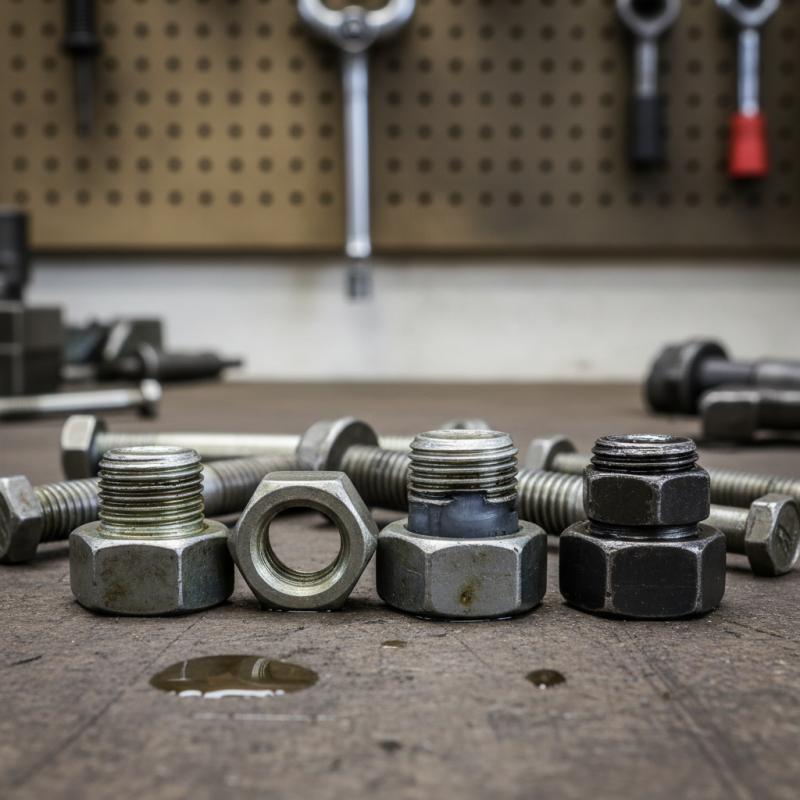
Nuts and lock nuts play a crucial role in fastening. They secure bolts and prevent loosening under pressure. Understanding their functions is essential for achieving reliability in mechanical assemblies. According to a report by the Fastener Quality Act, improper fastening techniques account for approximately 20% of failures in mechanical systems.
Nuts are used for gripping, while lock nuts provide resistance against vibration. This feature is particularly useful in environments sensitive to movement. Studies indicate that about 25% of equipment failures are due to nut loosening caused by vibration. Choosing the right type of lock nut can significantly decrease this risk. For instance, nylon insert lock nuts offer a secure grip, reducing the chances of loosening over time.
Not all applications benefit equally from nuts and lock nuts. Overusing these fasteners can lead to increased friction and wear. This can create additional stress on components. It’s essential to balance their use with application requirements. A survey from the Industrial Fasteners Institute shows that nearly 30% of engineers have experienced issues related to fastener misuse. Recognizing the right tools and techniques is vital for ensuring long-lasting assembly integrity.
: Nuts grip bolts, while lock nuts resist loosening caused by vibrations. They ensure reliable fastening.
Improper methods lead to failures. About 20% of mechanical system failures stem from bad fastening techniques.
Lock nuts add security against vibration. They are vital in applications where movement is common.
Overusing nuts increases friction and wear. It can stress components beyond their limits.
Hex nuts are common due to their secure grip. They work well in structural applications.
Yes, mismatched sizes can lead to failures. Always check compatibility before assembly.
Nylock nuts are ideal for areas with frequent vibrations. They often outperform standard nuts.
Using lock nuts can lower maintenance costs by around 20%. They help prevent loosening.
About 30% of engineers report problems due to incorrect fastener usage. Awareness is key.
No, it can be complex. Misjudgments in selection can lead to costly and hazardous outcomes.
The article titled "Nut and Lock Nut Tips for Better Fastening Techniques" explores the crucial role that nuts and lock nuts play in securing various components within mechanical systems. It begins by detailing the functions of these fasteners, explaining how they contribute to stable and reliable connections. Different types of nuts are outlined, along with their specific applications, highlighting the importance of selecting the right nut for different environments and scenarios.
Moreover, the article provides essential techniques for properly tightening nuts and lock nuts to ensure maximum effectiveness. It emphasizes the common mistakes individuals often make when using these fasteners and offers maintenance tips that enhance their longevity and performance. Through this comprehensive overview, the article serves as a valuable resource for anyone looking to improve their fastening techniques using nut and lock nut systems.

 Dongshuo Fastener