Sourcing stud bolts for global procurement can seem daunting. These essential components are widely used in various industries. Selecting the right supplier influences product quality and project timelines. A reliable supplier provides not just the product but also expertise in standards and applications.
Understanding your project's specific needs is crucial. Are you dealing with high temperatures or corrosive environments? Stud bolts come in various materials and designs to meet these demands. Engaging with knowledgeable suppliers can clarify these options.
Establishing strong supplier relationships can lead to better prices and timely deliveries. However, not all suppliers uphold the same standards. Researching their background and reliability becomes necessary. It's essential to reflect on past experiences with suppliers to make informed decisions.
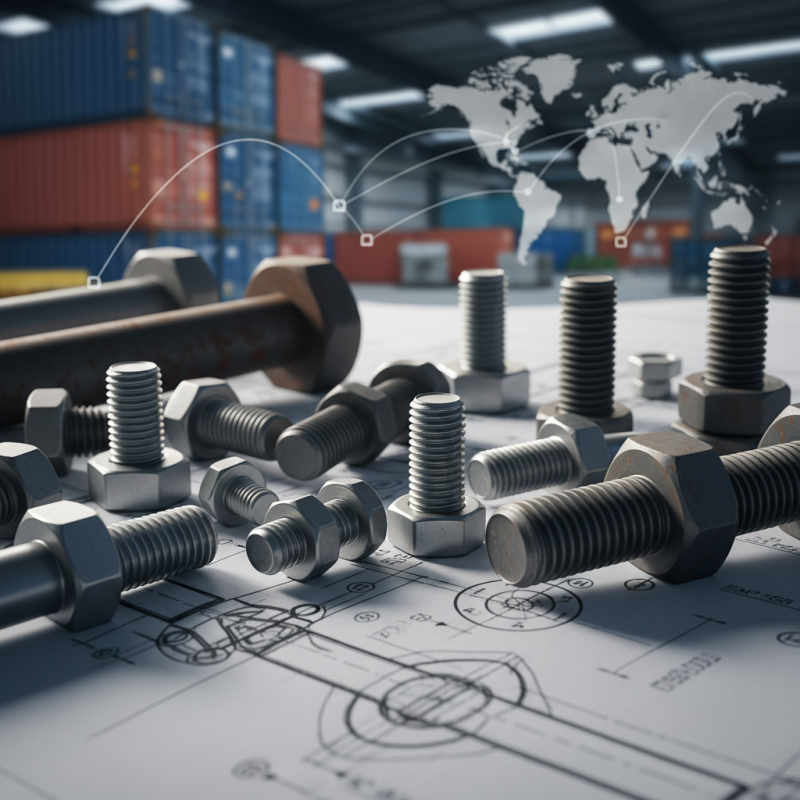
Stud bolts are crucial components used in mechanical and structural applications. They consist of a threaded rod with a nut on both ends. These bolts are designed for high-strength connections in demanding environments. You’ll often find them in heavy machinery, construction, and even in offshore oil rigs. Their ability to withstand high tension makes them ideal for critical joints.
Various grades of stud bolts exist, each suited for different applications. For instance, high-strength steel stud bolts are often used in pressure vessels, while corrosion-resistant materials are preferred in marine environments. Understanding these distinctions is essential for sourcing the right products. Durability and resistance to wear can also vary by manufacturing technique, influencing overall reliability.
When procuring stud bolts globally, consider local standards and certifications. These can impact material quality and performance. Engaging with suppliers who understand these nuances adds significant value. However, navigating international procurement can be complex. Always reflect on the sourcing process to ensure the best outcomes for your project. It’s not just about finding the lowest price; it’s about reliability and meeting technical specifications.
When sourcing stud bolts for global procurement, understanding the right specifications is crucial. Stud bolts serve various applications across industries like construction, oil and gas, and manufacturing. The correct choice can ensure structural integrity and operational efficiency. According to the Global Fasteners Market report, the demand for stud bolts is projected to grow at a CAGR of 5.8% from 2021 to 2028. This highlights the importance of identifying precise specifications to match market needs.
To pinpoint the right specifications, consider material grade and size. Common materials include carbon steel, stainless steel, and alloy steel. Each material has distinct properties that affect strength and corrosion resistance. An ASTM specification can guide you in selecting the appropriate standard for your application. Additionally, pay attention to the bolt length and diameter, as these metrics directly influence the load-bearing capacity.
Tip: Always request samples before finalizing your order. Testing these samples in real-world conditions can prevent costly failures later.
Moreover, compatibility with existing components is a frequent oversight. It’s essential to check for thread types and finishes. Not all studs are interchangeable, so mismatched components can lead to inefficiencies.
Tip: Maintain open communication with suppliers about potential material substitutes. This approach can lead to cost savings and performance improvements.
| Specification | Material | Coating Type | Size (Diameter x Length) | Grade | Minimum Order Quantity |
|---|---|---|---|---|---|
| ASTM A193 B7 | Alloy Steel | Zinc Plated | 1" x 12" | Grade 8 | 100 pcs |
| ASTM A320 L7 | Stainless Steel | Passivated | 3/4" x 8" | Grade B | 50 pcs |
| DIN 931 | Carbon Steel | Black Oxide | M12 x 100mm | Class 10.9 | 200 pcs |
| ASTM A36 | Structural Steel | Plain | 1/2" x 6" | Grade A | 150 pcs |
When navigating the complexities of sourcing stud bolts, understanding the dynamics between local and global suppliers becomes essential. Local suppliers often provide a sense of reliability and quicker response times. According to a recent industry report, companies that source locally can reduce lead times by up to 40%. This is critical in industries such as construction and manufacturing, where time is money.
However, the global market opens up a broader selection of materials and competitive pricing. A study shows that sourcing from international vendors can lower costs by 15-20% on average. But there are risks involved. Quality assurance might suffer when dealing with overseas suppliers. Cultural differences can also lead to miscommunication and delays. It's crucial to maintain strict quality controls and establish clear communication channels.
Understanding each region's strengths can guide procurement decisions. For instance, certain countries excel in producing specific alloys. Yet, logistical challenges can arise when shipping internationally. Companies must weigh the benefits of cost savings against potential delays and quality issues. An effective strategy often requires a hybrid approach, leveraging both local advantages and global capabilities.
Sourcing stud bolts effectively for global procurement requires a deep understanding of supplier credentials and certifications. When selecting suppliers, it’s crucial to evaluate their industry certifications. According to a report by the International Organization for Standardization (ISO), companies with ISO 9001 certification demonstrate a robust quality management system. This ensures consistent product quality. Similarly, the American Society for Testing and Materials (ASTM) provides standards that suppliers should meet, guaranteeing compliance with international quality benchmarks.
Supplier experience is another critical factor. A study by ThomasNet highlights that suppliers with over ten years of industry experience tend to have lower defect rates. However, not all suppliers keep pace with technological advancements. Regular audits can help assess a supplier's operational practices and innovations. It’s essential to ask for performance records and customer feedback to gauge reliability.
Tips: Always request copies of relevant certifications before finalizing contracts. Check for compliance with industry standards regularly. Building a long-term relationship can foster better communication and reliability, ensuring your procurement needs are met smoothly. Assessing a supplier’s capacity to adapt to changing market demands can also provide insight into their potential for growth and stability.
When sourcing stud bolts for global procurement, logistics play a crucial role. Understanding the complexities of international shipping, customs regulations, and delivery times can significantly impact your operations. Stud bolts come in various sizes and materials, necessitating careful consideration of transport methods. Standard freight options might be cost-effective, but explore expedited services for urgent requirements.
Tips: Always verify shipping times and costs before placing orders. This helps in making informed decisions about suppliers.
Documentation is another vital aspect. Ensure that all shipping and compliance documents are in order. Missing documentation can lead to delays or additional costs. Keep track of each shipment's status to anticipate any potential issues, especially with international customs.
Tips: Set reminders to review shipment statuses regularly. Being proactive can save time and money.
Logistics challenges can often arise unexpectedly. Be prepared for fluctuations in shipping costs and delays due to weather or political factors. Diversifying shipping options and having alternative suppliers can provide flexibility in your procurement process. Always maintain good communication with suppliers and logistics providers, as a strong relationship can lead to better service and problem-solving.
: Stud bolts are threaded rods with nuts on both ends. They create strong connections in various applications.
You find them in heavy machinery, construction sites, and offshore oil rigs. They handle high tension well.
Grades differ in strength and material. High-strength steel is for pressure vessels; corrosion-resistant is better for marine use.
Local suppliers offer reliability and faster responses. They can reduce lead times significantly in urgent projects.
Global suppliers provide a wider selection and competitive prices. Costs can be 15-20% lower on average.
Quality may drop, and miscommunication can happen. Cultural differences can complicate relationships with overseas suppliers.
Strict quality controls are essential. They help avoid issues that arise from varying standards in manufacturing.
Companies should think beyond price. Reliability and meeting technical specs are vital for project success.
Yes, shipping can introduce delays. Companies must balance cost savings with the risk of potential logistical issues.
A hybrid approach is often effective. Combining local strengths with global options can optimize procurement outcomes.
When sourcing stud bolts for global procurement needs, it's essential to begin with a solid understanding of what stud bolts are and their various applications across different industries. Identifying the correct specifications, such as material grade and dimensions, is critical to ensure compatibility with existing projects.
Sourcing strategies also play a significant role; deciding between local and global suppliers can impact cost, lead time, and quality. Thoroughly evaluating supplier credentials and certifications ensures that the sourced stud bolts meet industry standards. Additionally, logistics considerations, including shipping methods and import regulations, must be taken into account to facilitate a smooth procurement process. By carefully navigating these aspects, organizations can effectively procure high-quality stud bolts that meet their operational requirements.

Dongshuo Fastener