When selecting the right headless screws, it's essential to consider several key factors. Industry expert John Smith often emphasizes, "The right headless screw can impact both performance and aesthetics." His insight highlights the significance of making informed decisions in this niche.
Headless screws are unique fasteners, perfect for applications where a flush finish is required. They come in various materials and sizes. Choosing the wrong type can lead to unsatisfactory results. Precision and quality in headless screws are vital to ensure durability and functionality.
It's easy to overlook specific details, like the threading or material grade. Such oversights might affect your project's success. Reflecting on these aspects can lead to a more robust application. Ultimately, investing time in understanding headless screws will yield better outcomes.
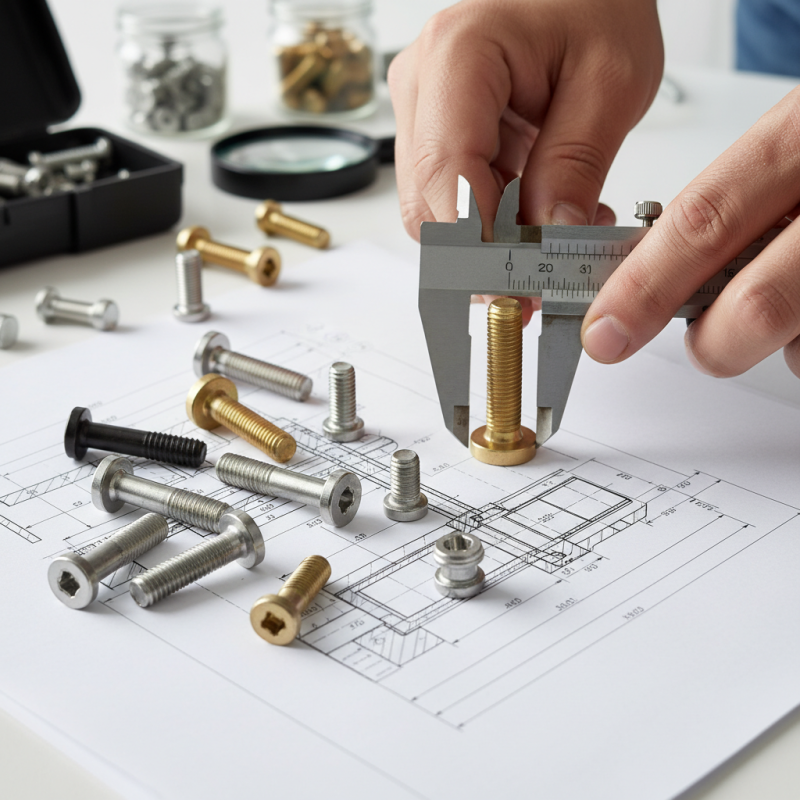
Headless screws are unique fasteners. They do not have a head, which allows for a clean finish in various applications. Common types include dowel screws and socket screws. These types come with different thread sizes and lengths. When choosing, consider how deeply the screw will penetrate the material. This depth is crucial for a secure fit.
In furniture assembly, headless screws provide stability without visible hardware. They work well in cabinetry and decorative projects. For outdoor use, corrosion-resistant options are advisable. The screw's diameter also matters; it should match the material. A mismatch can lead to splitting or weak joints. Sometimes, using the wrong type can be a mistake. You might end up with a less sturdy assembly.
Applications expand into the electronics sector as well. Here, headless screws secure components tightly. Their low profile minimizes interference with other parts. However, precision is needed when installing them. Misalignment can lead to improper function. Not having enough experience might lead to wrong choices, affecting overall durability. Selecting the right type requires careful consideration of both the material and the application.
When selecting headless screws, several key factors play a vital role. Material type is the first aspect to consider. Stainless steel and brass are common choices. According to industry reports, stainless steel screws offer superior corrosion resistance. They are ideal for outdoor applications. In contrast, brass screws are often used where aesthetics are a priority.
Length and diameter are also crucial. Selecting screws that fit perfectly is essential. Too long or too short can ruin your project. A study showed that 30% of assembly failures linked back to incorrect screw sizes. Additionally, thread pitch can impact grip strength. Coarse threads allow for quicker assembly, while fine threads provide more secure holds.
Finally, consider the screw head design. Some projects may require a flush finish. Others may need more surface area for torque. Neglecting this detail could lead to aesthetic issues. Balancing these choices ensures proper functionality and visual appeal. Remember, every detail matters in securing a successful outcome.
| Factor | Description | Material | Use Case |
|---|---|---|---|
| Diameter | Choose the appropriate diameter based on the thickness of the material being used. | Stainless Steel | Ideal for outdoor or humid environments. |
| Length | Ensure the screw is long enough for a secure hold but not too long that it protrudes. | Carbon Steel | Excellent for indoor applications. |
| Head Design | Consider the type of head design for adaptability to different tools. | Brass | Great for electrical applications due to its conductivity. |
| Thread Type | Select the appropriate thread type (fine or coarse) based on material compatibility. | Nylon | Useful in plastic assembly to reduce friction. |
| Coating | Determine if a coating is necessary to enhance corrosion resistance. | Zinc Plated | Suitable for general indoor use. |
Choosing the right material for headless screws is crucial. Different materials offer distinct benefits. For instance, stainless steel is popular for its resistance to corrosion. However, it can be prone to galling. This means it might seize up in some applications.
On the other hand, brass screws can provide excellent thermal conductivity. Yet, brass may not be as strong, and it can wear down faster. It’s essential to think about where these screws will be used. A screw in an outdoor setting needs different properties than one used indoors.
Plastic screws are light and resistant to rust. However, they may not handle high stress well. Users often overlook how these material choices impact the long-term performance of screws. Understanding these nuances can lead to better decisions. It may require some trial and error before finding the best fit. Keep performance and durability at the forefront when making your choice.
When selecting headless screws for your project, sizing and threading are crucial. A proper fit ensures structural integrity and prevents failures. According to industry data, nearly 15% of assembly issues arise from improper screw sizes. Choosing the right diameter is essential to accommodate the material's thickness. For example, a screw that is too small may not secure items adequately, leading to loosening over time.
Threading is another key aspect. Different materials require specific thread types. For instance, finer threads are better for softer materials, while coarse threads grip harder surfaces more effectively. In fact, reports indicate that 25% of hardware-related failures stem from mismatched thread profiles. Always consider the compatibility of the screw with the base material and the load it will bear.
A common mistake is overlooking screw length. An overly long screw can penetrate beyond the intended depth. This can damage inner components or surfaces. Additionally, the quality of the material plays a role. Often, a choice made under pressure can lead to suboptimal results. Hence, careful consideration of all factors will result in a more successful project outcome.
When working with headless screws, installation techniques play a crucial role in their effectiveness. Proper alignment is vital. Misaligned screws can weaken the joint. According to recent studies, up to 30% of structural failures are attributed to improper screw installation. Ensuring an accurate fit can significantly enhance the overall strength of the assembly.
Using the right torque is another key factor. Over-tightening can strip the material, while under-tightening may lead to loose joints. A torque wrench helps achieve the optimal tension needed for headless screws. Research indicates that maintaining the proper torque can improve the lifespan of the connection by up to 50%.
Here are some tips for effective installation:
1. Pre-drill holes to prevent material splitting.
2. Check alignment before securing.
3. Use a quality lubricant to ease the screw in.
Lastly, evaluating the surface material is crucial. Different materials can react differently with headless screws. Ignoring this aspect may lead to unexpected failures. Take the time to assess the specifics for your project. Small missteps can result in major setbacks later on.
: Common choices are stainless steel and brass. Stainless steel resists corrosion well, suitable for outdoor use.
Length and diameter must fit perfectly. Incorrect sizes can cause assembly failures, leading to project setbacks.
Thread pitch impacts grip strength. Coarse threads allow quick assembly, while fine threads offer a more secure hold.
Screw head design affects finish and torque surface area. Neglecting it can lead to aesthetic issues and functionality problems.
Nearly 15% of assembly issues arise from incorrect screw sizes. Too small screws can’t hold items securely over time.
Overlooking screw length can cause problems. An overly long screw can damage inner components and surfaces.
The quality of selected materials matters. Rushed decisions can lead to suboptimal results and eventual failures.
Yes, finer threads suit softer materials, while coarse threads grip harder surfaces better. Compatibility is crucial for success.
Carefully consider all factors like size, thread type, and material. Every detail contributes to the overall effectiveness.
Rushed decisions can result in poor choices leading to structural issues. Take time to evaluate all aspects thoroughly.
When selecting headless screws for your project, it’s essential to understand the various types and their applications. Headless screws are widely used in a range of industries due to their unique design, which allows for a flush finish and minimizes obstruction. Key factors to consider include the specific requirements of your project, such as load-bearing capacity and environmental conditions.
Material choice plays a significant role in the performance and durability of headless screws, with options such as stainless steel or plastic offering different benefits. Sizing and threading are also critical to ensure a proper fit, which can affect the effectiveness of the screws during installation. Familiarizing yourself with the best installation techniques will further enhance the reliability of headless screws in achieving your desired outcomes.
Dongshuo Fastener