Choosing the right locking washers is crucial for ensuring the reliability of your assemblies. Locking washers are designed to prevent nuts and bolts from loosening during operation. Many users overlook the importance of having the right type of locking washer. This can lead to equipment failure or costly repairs.
When selecting locking washers, consider factors such as material, shape, and size. Each type serves a unique purpose. For instance, split locking washers offer effective grip, while flat washers provide a larger surface area for distribution of load. Understanding these details can enhance your assembly’s performance.
However, even experienced professionals can face challenges. Misjudgment in washer selection can result in compromised safety. Reflecting on past mistakes can lead to better choices in the future. The quality of the locking washers matters greatly. Investing time in research will yield better long-term results.
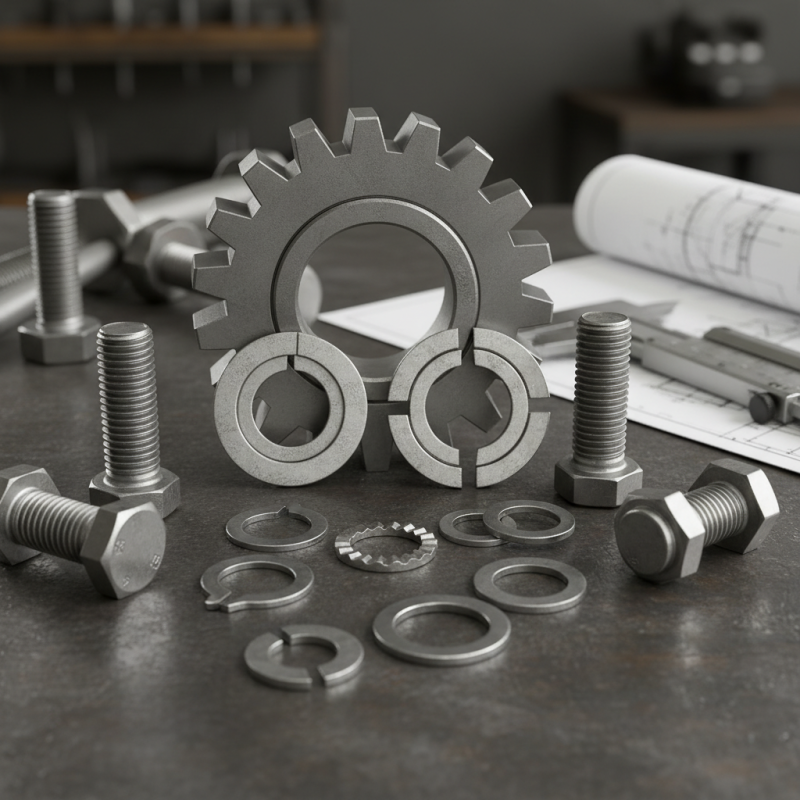
Locking washers play a crucial role in securely fastening components. Their design helps prevent loosening due to vibration or movement. Understanding how they function can vastly improve your project’s durability.
When selecting locking washers, consider the specific application. Different environments may demand varied materials like stainless steel or plastic. The correct choice will enhance strength and corrosion resistance.
Tips for choosing effectively include assessing load requirements. Ensure the washer matches the fastener size. Misalignment can lead to damage. Also, think about the operational environment. Exposure to moisture can affect the material choice. Focus on these details to enhance reliability.
Choosing the right locking washer is crucial for any assembly project. Locking washers prevent nuts and bolts from loosening due to vibrations or movement. There are several types to consider, each with distinct features.
Flat washers distribute load evenly. However, they may not provide sufficient grip for all applications. Split washers, or spring lock washers, create tension under the bolt head, which can help but may deform over time. The effectiveness of these washers often depends on the materials used. For metal applications, split washers tend to perform better than flat washers.
To offer additional security, tooth washers feature serrated edges. These edges grip the surface, providing a firm hold. However, they may scratch softer materials. In contrast, nylon locking washers offer a non-metal alternative. They prevent loosening without damaging surfaces. Consider your material and environment when choosing. Always reflect on past projects. What worked? What didn’t? This insight helps ensure the right choice for future assemblies.
When selecting locking washers, material choice is crucial for performance. Each type of washer comes with its own advantages and limitations. For instance, stainless steel washers resist corrosion, making them ideal for outdoor applications. However, they can be less effective in high-stress situations compared to hardened steel washers.
Consider the application environment. If exposure to chemicals is likely, nylon or polypropylene washers might be preferable. These materials are lightweight and non-corrosive. However, they might not withstand high temperatures as well as metal options. Be mindful of the trade-offs involved. A washer that excels in one area may lack in another.
Think about load-bearing needs. Thicker washers can distribute weight better but may not fit into tight spaces. Some users overlook this aspect and regret it later. Proper research on material strengths can save time and hassle in the long run. User experiences vary widely, and real-world testing can highlight unexpected failures or successes. Assess your specific requirements before committing to a choice.
Choosing the right locking washers is crucial for achieving a secure fit in various applications. Sizing locking washers correctly requires careful consideration of the fasteners. According to a report by the Fastener Quality Act, misfit washers can lead to mechanical failures. It’s essential to match the washer size with the bolt and nut dimensions.
When measuring locking washers, one must consider both inner and outer diameters. The inner diameter should accommodate the fastener without excessive play, ensuring stability. A washer that’s too loose may not prevent loosening, while one that’s too tight can cause stress on the fastener. An analysis from the American Fastener Institute shows that a substantial percentage of assembly failures arise from improper washer sizing.
Material type also plays a significant role in the fit. Different materials offer varying levels of grip and resilience. Steel washers might deform under excessive force, while nylon ones offer better resistance to vibration. However, choosing a material without analyzing the application needs is often overlooked. The result? Compromised performance and potential safety hazards. A detailed study revealed that about 30% of users fail to consider these factors, leading to inefficiencies.
Locking washers are crucial for preventing loosening in fastened connections. When using them, consider the installation techniques to ensure optimal performance. Many professionals emphasize applying the right amount of torque when fastening. According to industry reports, an estimated 25% of mechanical failures are due to improper fastening techniques. This highlights the importance of correct installation.
Before installation, inspect the washers for defects. Look for surface imperfections or irregularities that could affect performance. Proper alignment is key when placing locking washers. Misalignment can lead to uneven pressure distribution. Studies have shown that misaligned fasteners can reduce load capacity by up to 30%. Taking time to ensure precision can save time and resources later.
After installation, check for proper seating and tightness. A common oversight is assuming that one check is sufficient. Regular inspections can reveal gradual loosening due to vibration or dynamic loads. In fact, data indicates that re-tightening can improve the lifespan of connections by upwards of 40%. This practice fosters reliability and reinforces the importance of diligence in maintenance.
: Locking washers prevent nuts and bolts from loosening due to vibrations or movement.
Flat washers distribute load evenly but may not grip well in all applications.
Split washers create tension under the bolt head, helping to secure the assembly but may deform over time.
Tooth washers have serrated edges that grip surfaces but can scratch softer materials.
Yes, nylon locking washers prevent loosening without damaging surfaces, suitable for various applications.
Consider corrosion resistance, temperature tolerance, and specific application environments when choosing washer materials.
Real-world testing can reveal unexpected failures or successes, helping refine future washer choices.
Overlooking load-bearing needs can lead to assembly failures, especially in tight spaces or high-stress applications.
Nylon washers may not withstand high temperatures as effectively as metal options, so careful consideration is needed.
Reflection on past projects helps identify what worked and what didn't, ensuring more informed choices in the future.
Locking washers play a crucial role in securing fasteners and preventing loosening due to vibration or other forces. Understanding their function is essential for effective application in various projects. There are different types of locking washers available, each suited to specific fastening needs. It’s important to choose the right type based on the project requirements, considering factors such as load conditions and environmental factors.
Material selection is also vital for durability, ensuring that the locking washers can withstand corresponding stresses. Furthermore, proper sizing is essential to guarantee a snug fit with fasteners, which contributes to the overall effectiveness of the fastening process. Lastly, adopting best practices for installation will enhance the performance of locking washers, ensuring that assemblies remain secure over time. By following these essential tips, users can effectively choose and utilize locking washers for their fastening applications.

Dongshuo Fastener