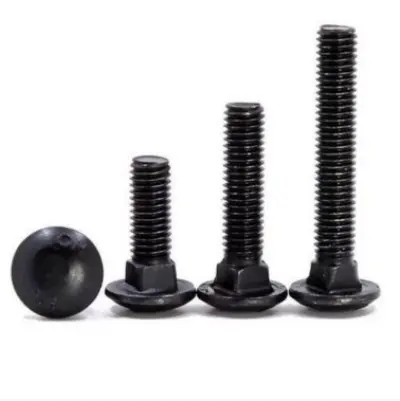
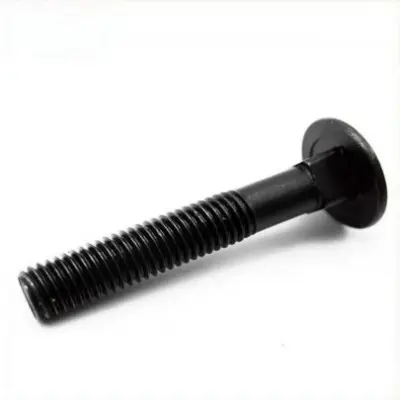
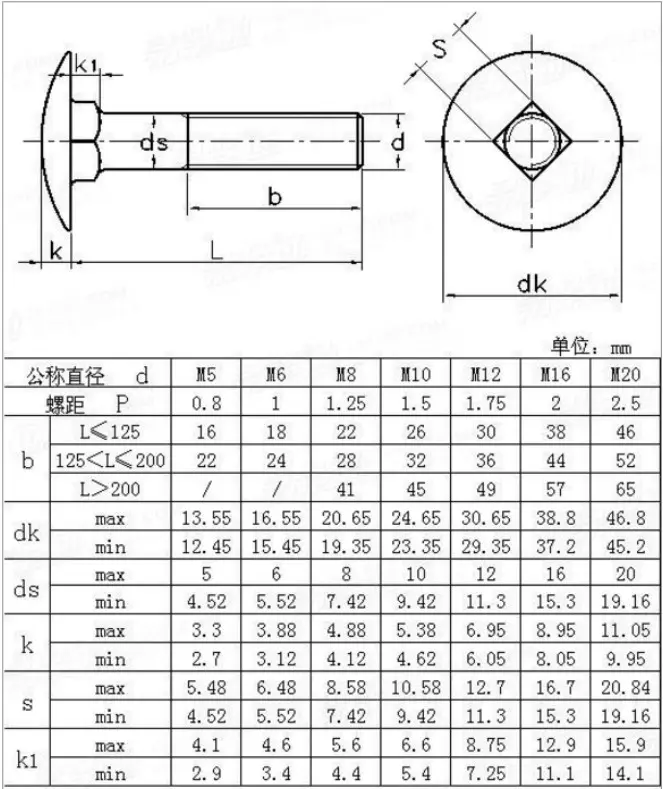
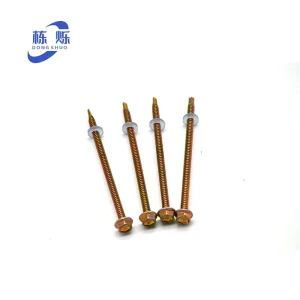
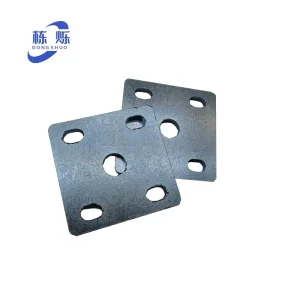
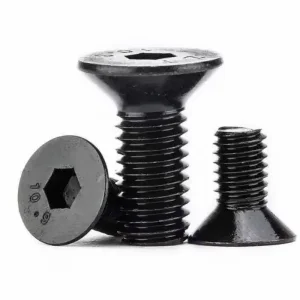
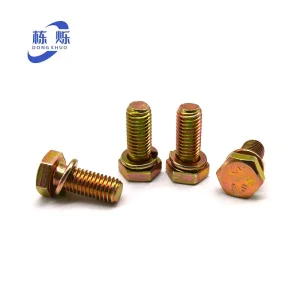
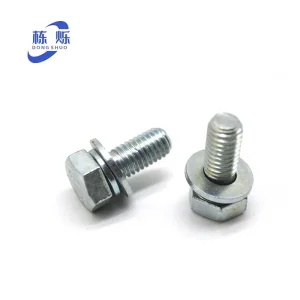
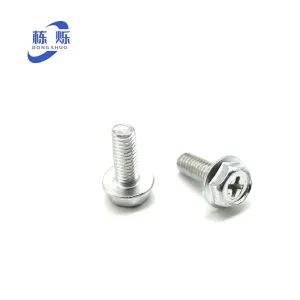
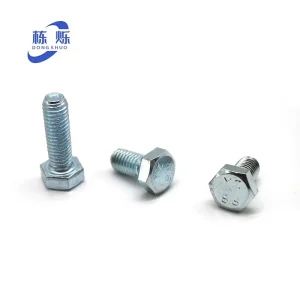
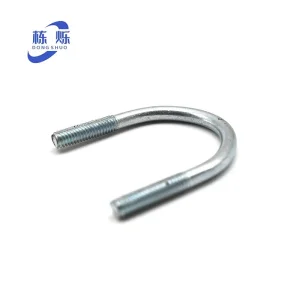
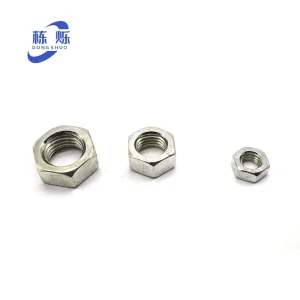
Definition: Galvanized screw is a transmission component that is coated with a zinc layer (electroplated zinc or hot-dip zinc) on the surface of the screw. It is mainly used to convert rotational motion into linear motion and has anti-corrosion ability.
Core structure:
Base material: Usually carbon steel (such as 45# steel, 40Cr) or stainless steel, with a zinc layer covering the surface after galvanizing.
Thread type: Commonly trapezoidal thread (Tr type) or ball screw, the latter is mostly used in high-precision scenarios.
Galvanizing process: Divided into electroplated zinc (thin and uniform coating) and hot-dip zinc (thick coating, strong corrosion resistance).
Characteristics of Galvanizing Process
Corrosion Prevention Mechanism
Sacrificial anode protection: The zinc layer preferentially oxidizes, delaying the corrosion of the substrate steel.
Physical barrier: A dense zinc layer isolates water vapor, oxygen, and substrate from contact.
Process Comparison
Electro-Galvanized: 5-20 μm thickness. Ideal for general indoor equipment with low corrosion environments. Cost-effective.
Hot Dip Galvanizing: 50-150 μm thickness. Excellent performance in outdoor, chemical, and marine environments.
Core Advantages
Corrosion resistance: Suitable for humid, salt spray, acidic and alkaline environments (such as ships and chemical equipment).
Economy: The cost of galvanizing is lower than that of stainless steel lead screws, and the lifespan is significantly extended.
Low maintenance: The self-healing properties of the zinc layer reduce the need for frequent maintenance.
Adaptability: Can be matched with various transmission systems, such as stepper motors and servo motors.
Application Scenarios
Outdoor machinery: Construction machinery, agricultural equipment (exposed to rainwater and soil environments).
Ship and ocean engineering: Deck lifting mechanism, valve control (resistant to salt spray corrosion).
Chemical equipment: Reaction kettle transmission system, pipeline regulating device (acid and alkali resistant medium).
Construction industry: Automatic doors and windows, lifting platforms (low-cost rust prevention requirements).
Food processing: Meets hygiene standards (requires smooth surface and no risk of rust).
Frequently Asked Questions
What materials are used for these carriage bolts?
They are typically manufactured using carbon steel (such as 35k, 45#, 40Cr, 35Crmo) or stainless steel, depending on the required strength grade.
What is the difference between electro-galvanized and hot-dip galvanizing?
Electro-galvanizing provides a thinner, more uniform coating (5-20 μm) suitable for indoor use, while hot-dip galvanizing offers a thicker layer (50-150 μm) for superior outdoor and marine corrosion resistance.
Can I get custom sizes for the bolts?
Yes, we offer lengths from 10mm up to 3000mm, and diameters ranging from M3 to M100, or as per your specific requirements.
Are these bolts suitable for chemical environments?
Yes, the galvanized coating provides a physical barrier and sacrificial protection, making them ideal for acidic or alkaline mediums found in chemical processing.
Do you provide samples for testing?
We offer free samples for quality verification and testing to ensure the product meets your application needs.
What quality certifications do your products hold?
Our products are manufactured according to DIN/ISO standards and are ISO 9001 certified to ensure consistent quality.
 Dongshuo Fastener