🏗️
Connecting mechanical components
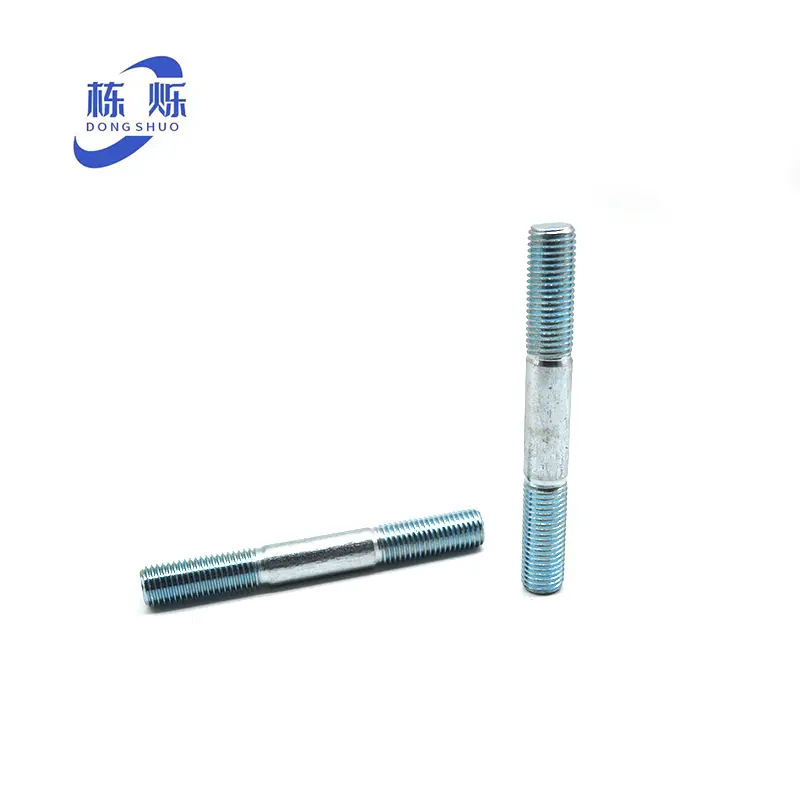
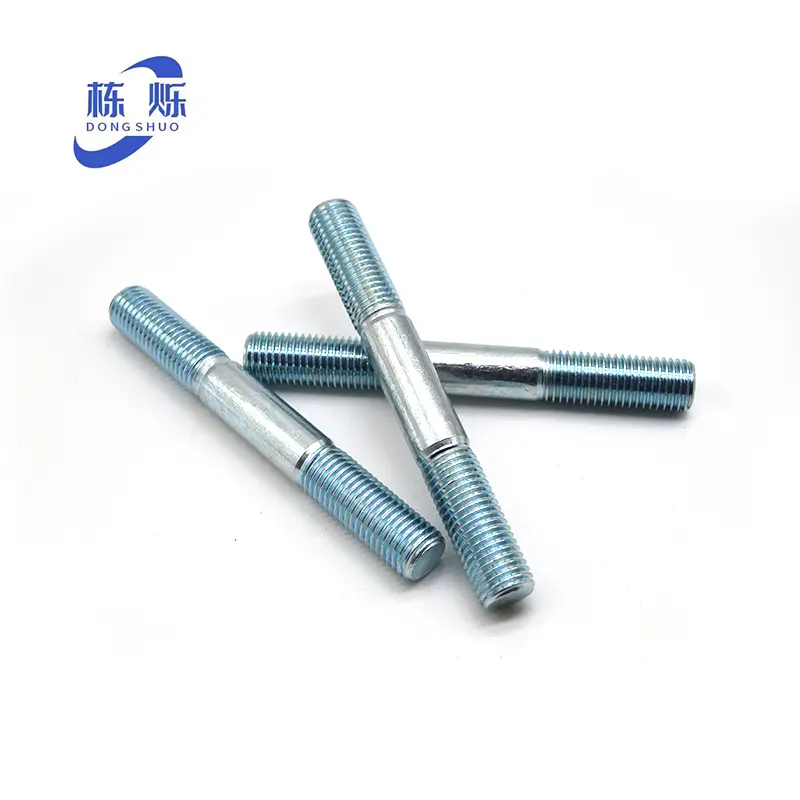
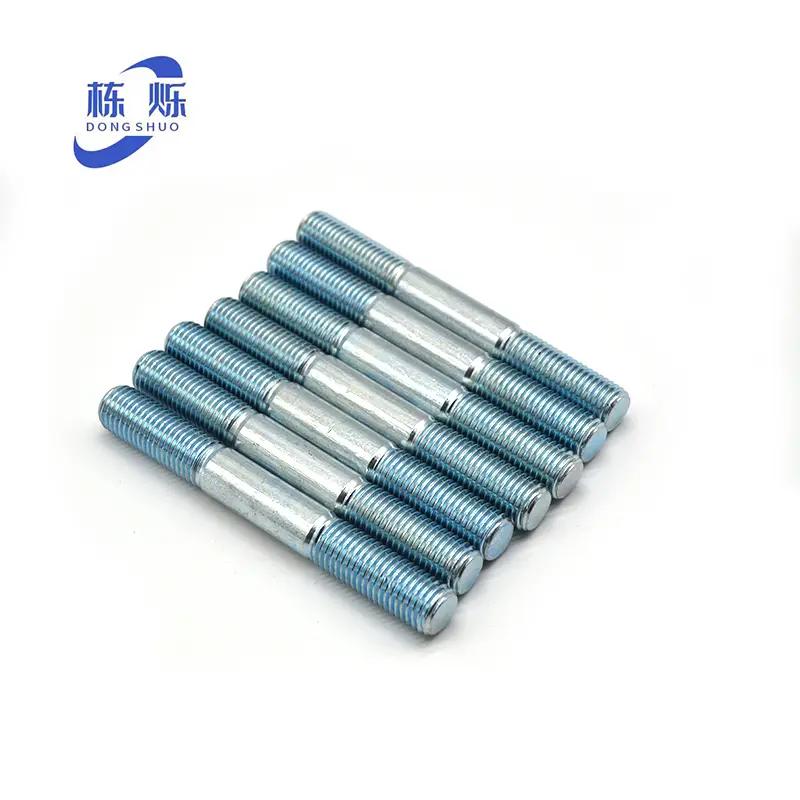
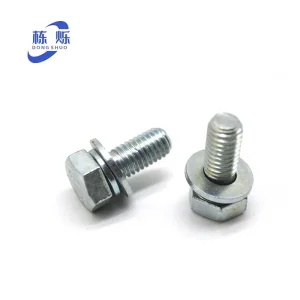
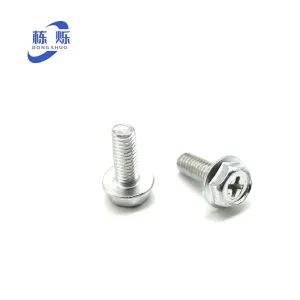
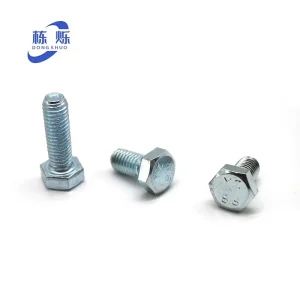
Double headed bolts have threads at both ends and a screw in the middle, commonly used to connect mechanical components such as mining machinery, bridges, automobiles, motorcycles, boiler steel structures, suspension towers, large-span steel structures, and large buildings.
🛠️
Installation accessories
When large equipment requires the installation of accessories, such as observation mirrors, mechanical seal seats, reduction frames, etc., double headed bolts can play a role. One end is screwed into the main body, and after installing the accessories, the other end is equipped with a nut. Due to the fact that these attachments may require frequent disassembly, using double headed bolts for replacement would be very convenient.
🏢
Connecting thick plates
In cases where the thickness of the connectors is large or the connection area is not convenient to use hexagonal bolts, such as concrete roof trusses, roof beam suspensions, monorail beam suspensions, etc., double headed bolts are also a suitable choice.
🔗
Fixed connecting rod
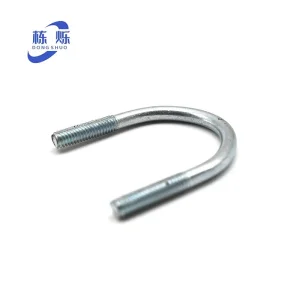
Double headed bolts are also commonly used for mechanical fixed connecting rods, with corresponding threads at both ends. The thickness of the middle screw varies depending on actual usage.
Frequently Asked Questions
What are the main applications for double headed bolts?
They are widely used in heavy industries including mining machinery, bridge construction, automotive assembly, and large-scale steel structures where robust connections are required.
Why use double headed bolts instead of standard hexagonal bolts?
They are ideal for thick plates and equipment requiring frequent disassembly of accessories, as one end can remain fixed while the other is easily adjusted with a nut.
What thread sizes are available?
Based on the technical specification, sizes range from M6 to M33, covering a wide variety of load-bearing requirements.
Are these bolts suitable for large-span steel structures?
Yes, their design makes them perfect for suspension towers, monorail beam suspensions, and large-span buildings.
Can the middle section of the screw vary?
Yes, the thickness and length of the middle screw can vary depending on the specific mechanical requirements and fixed connecting rod applications.
What is the advantage of double-ended threading?
The double-ended thread allows for simultaneous tightening from both ends or fixing one end into a main body while securing a component on the other.
 Dongshuo Fastener