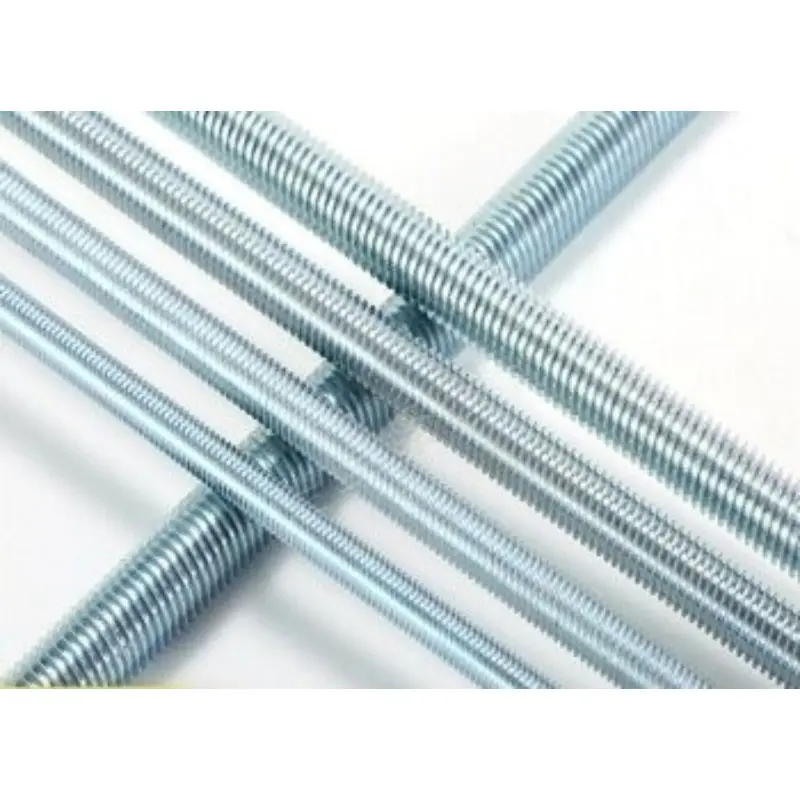
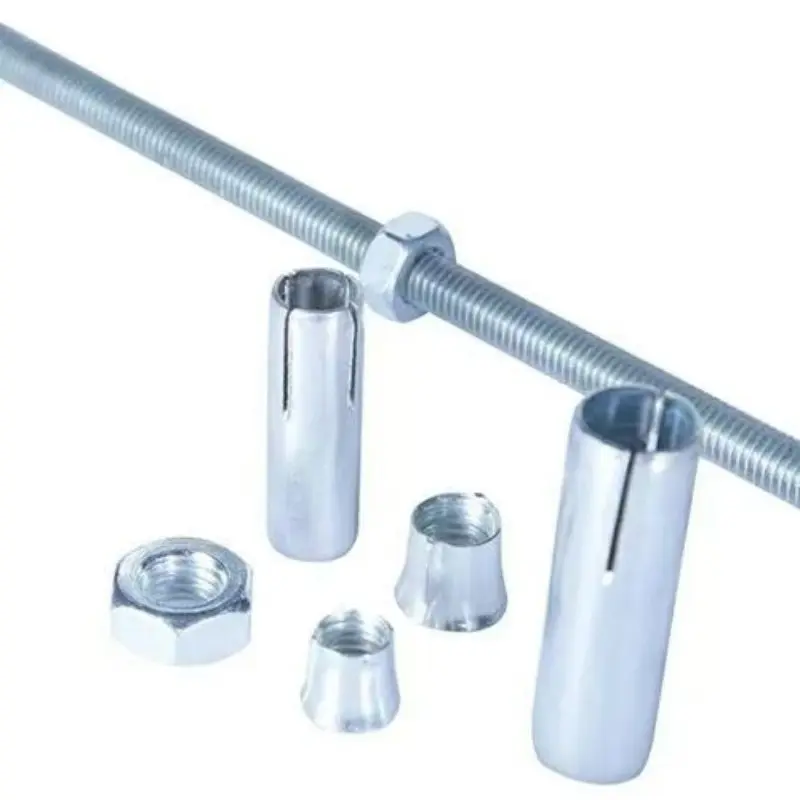
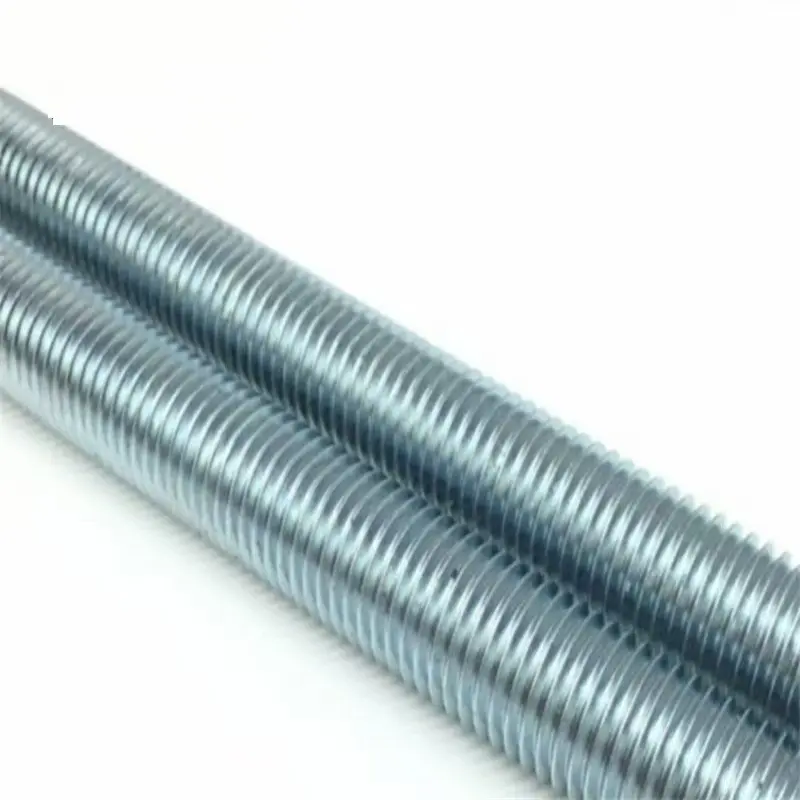
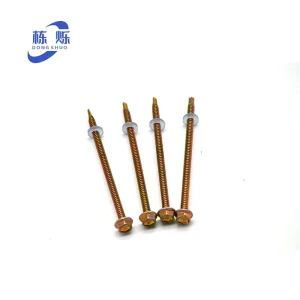
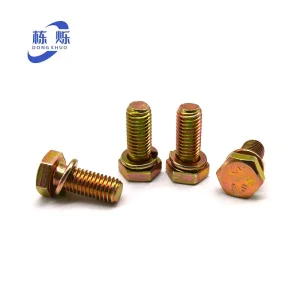
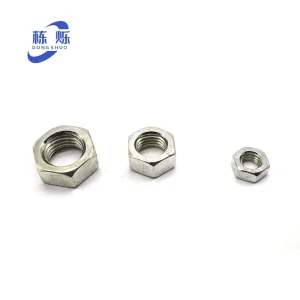
Detailed introduction of galvanized wire rod: A high-performance solution for rotational to linear motion conversion with superior anti-corrosion properties.
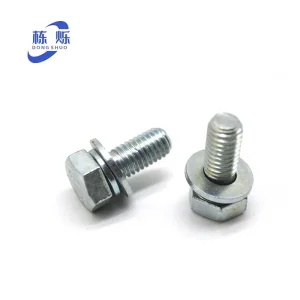
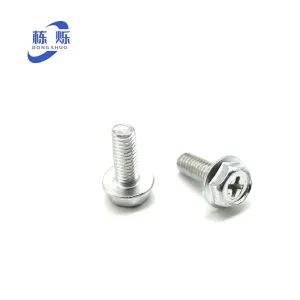
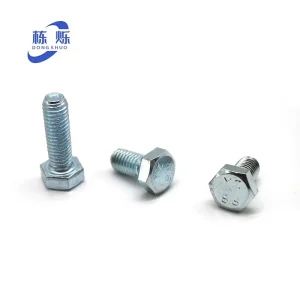
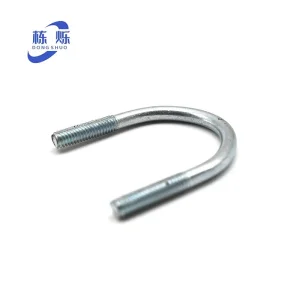
Definition: Galvanized screw is a transmission component that is coated with a zinc layer (electroplated zinc or hot-dip zinc) on the surface of the screw. It is mainly used to convert rotational motion into linear motion and has anti-corrosion ability.
⚙️
Base Material
Usually carbon steel (such as 45 # steel, 40Cr) or stainless steel, with a zinc layer covering the surface after galvanizing.
🌀
Thread Type
Commonly trapezoidal thread (Tr type) or ball screw, the latter is mostly used in high-precision scenarios.
🛡️
Galvanizing Process
Divided into electroplated zinc (thin and uniform coating) and hot-dip zinc (thick coating, strong corrosion resistance).
Frequently Asked Questions (FAQ)
Q: What is the main purpose of galvanizing a screw?
A: The primary purpose is to provide a protective zinc layer that prevents corrosion and rust, especially in outdoor or humid environments, while maintaining the component's ability to convert rotational motion to linear motion.
Q: What materials are galvanized wire rods typically made from?
A: They are usually manufactured using high-quality carbon steel (like 45# steel or 40Cr) or stainless steel as the base material.
Q: What is the difference between electroplated and hot-dip galvanizing?
A: Electroplated zinc offers a thinner and more uniform coating for precision, while hot-dip zinc provides a thicker coating for maximum corrosion resistance in harsh environments.
Q: Which thread types are available for galvanized screws?
A: The most common types are trapezoidal threads (Tr type) for general use and ball screws for high-precision application scenarios.
Q: Are these components suitable for marine environments?
A: Yes, they are widely used in ship and ocean engineering because the galvanized layer is highly resistant to salt spray corrosion.
Q: Can galvanized wire rods be used in food processing equipment?
A: Yes, they meet hygiene standards due to their smooth, rust-resistant surface, making them safe for food industry applications.
 Dongshuo Fastener